Brazil Election: Lula Wins Fourth Term as Flávio Bolsonaro Seeks Annulment
The far-right challenger refused to concede defeat, citing a Supreme Court extension of voting hours as grounds to void the results.
By Ivan Mori ·
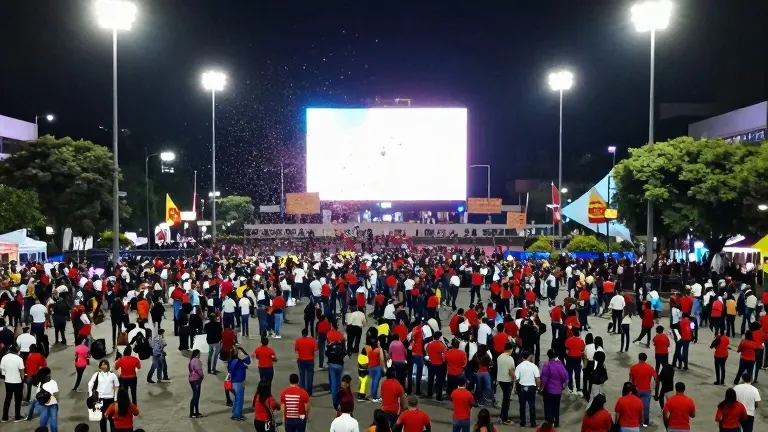
Luiz Inácio Lula da Silva defeated Flávio Bolsonaro in Brazil’s presidential election, securing a historic fourth term as the country’s leader. The victory marks a decisive win for Lula, who is set to begin another tenure after a dramatic campaign comeback against the son of former President Jair Bolsonaro.
Flávio Bolsonaro has refused to acknowledge the loss. He filed a request to annul the election results, pointing to a decision by a Supreme Court justice to extend voting hours. This move mirrors the actions of his father, who also refused to concede defeat in 2022 before attempting a coup and being convicted for his role in the subsequent unrest.
Tom Phillips, reporting from São Paulo, noted that while the Bolsonaro response was expected, it likely will not change the outcome. He stated that world leaders are already recognizing Lula’s win, making it improbable that the result will be overturned. Phillips described the victory as the culmination of a fifty-year political career for the first elected working-class leader in Brazilian history, a figure who has helped millions escape poverty.
Lula’s path to the presidency has been long and sometimes controversial. His return to power represents a shift in Brazil’s political direction, with the far-right candidate failing to maintain the momentum of his family’s political brand. The election results have been officially tallied, with Lula emerging as the clear winner.
The dispute over the voting hours extension has become the central point of contention for the losing side. Flávio Bolsonaro argues that the change in procedure affected the fairness of the vote. Legal experts and international observers will now weigh the claim as the country prepares for the transition of power.
World leaders have begun to extend congratulations to Lula, signaling their acceptance of the electoral outcome. This international recognition strengthens Lula’s position as he prepares to assume office. The Brazilian government is expected to formalize the transition in the coming days.
Lula is scheduled to begin his new term following the standard transition period. The focus now turns to how his administration will address economic and social challenges during his fourth stint in the presidency.