Michoacan Island Closes Cemetery to Tourists for Day of the Dead
In Janitzio, officials barred outsiders from the cemetery this year after heavy foot traffic caused structural damage to tombs and walls.
By Lauren Bello ·
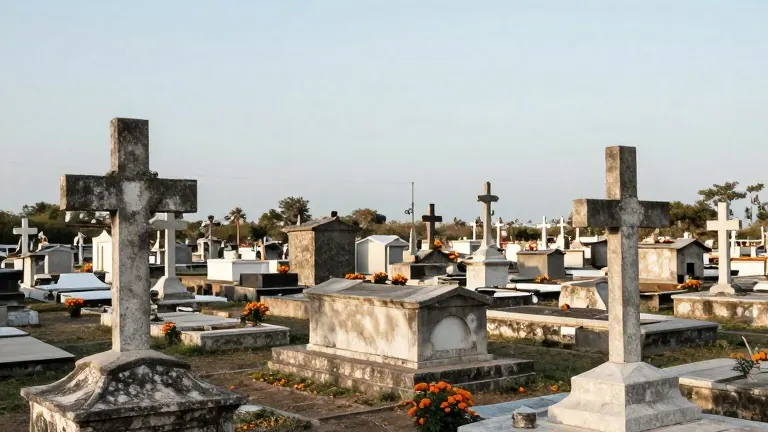
Local authorities in Janitzio, a small island in the state of Michoacan, barred tourists from the local cemetery for the first time this year. The decision came after the community council reported that the site suffered physical damage from the high volume of visitors.
The closure is in effect for the annual Day of the Dead observances, which run from October through November 2. During this period, Mexican tradition holds that the souls of deceased relatives return to the living world to spend time with their families.
The specific damage cited by the council includes the collapse of damaged tombs, crosses, and sections of the cemetery’s perimeter wall. The community attributed these structural failures to the pressure of the crowd. Only local families and friends of the interred were permitted inside the grounds during the festivities.
Janitzio holds a special place in the global recognition of this tradition. UNESCO designated the local celebrations as an Intangible Cultural Heritage of Humanity in 2008. The island has since become a primary destination for travelers seeking to experience the authentic observance rather than the commercialized versions found in larger cities.
The practice of closing the site marks a shift in how some communities manage the influx of international attention. While the broader celebration involves elaborate altars in homes, the consumption of pan de muerto, and the display of orange marigold flowers, the cemetery visit remains a core component of the ritual for many families.
Similar tensions regarding tourism pressure have emerged in other regions. In Mexico City, residents have expressed skepticism about the large annual parade featuring floats decorated with catrina skeletons. That specific procession was originally created for the 2015 James Bond film Spectre before becoming a staple of the city’s modern calendar, despite not being part of the historical tradition.
The holiday itself blends pre-Hispanic agricultural beliefs with Catholic traditions adopted after the Spanish conquest in 1521. Today, it serves as a time for reconnection, with families gathering at cemeteries across the country to honor their ancestors as they have for centuries.