Reserve Bank of Australia Hikes Cash Rate to 4.85 Percent
The central bank raised borrowing costs by 0.25 points, marking its fifth increase of 2026 as September inflation hit 4.3 percent.
By Lauren Bello ·
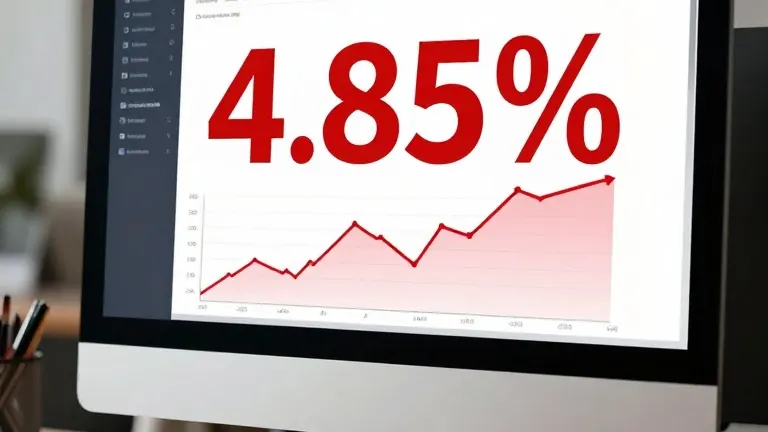
The Reserve Bank of Australia raised its cash rate from 4.6 percent to 4.85 percent on Tuesday.
The decision marks the fifth rate increase of 2026 and pushes the benchmark to its highest level since 2008. The central bank cited worsening inflation driven by a global oil shock linked to war in the Middle East. September annual inflation reached 4.3 percent, a figure that exceeded the bank's internal projections. Six members of the monetary policy board voted for the hike, while three preferred to hold rates steady. The board stated it remains committed to returning inflation to its 2 percent to 3 percent target range. However, the statement omitted an explicit reference to further increases, indicating the bank will assess the impact of current tightening before acting again.
Households with variable-rate mortgages will feel the immediate impact. Canstar estimates the new rate adds $107 to the monthly interest payment on a standard $700,000 home loan. Across the five increases implemented in 2026, the total rise in monthly repayments for that loan size is $532. More than 3.3 million Australian households hold home loans, placing them under increased financial strain. The rate hike also intensifies scrutiny on the federal government's management of the economy, particularly as political debates continue over the role of public spending in driving price growth.
The bank's latest Statement on Monetary Policy projects continued cost of living pressures alongside economic growth below potential. It forecasts inflation will accelerate for the remainder of 2026 before dropping below 3 percent by the end of 2027. This timeline is approximately nine months later than previous forecasts. Oil prices are expected to decline over the next 18 months but will remain elevated, limiting relief for consumers and businesses. The bank noted that inflation risks are tilted toward higher outcomes.
Economic growth is projected at 1.6 percent for 2026 and 1.3 percent for 2027. Both figures fall below the estimated potential growth rate of around 2 percent, though they exceed recent analyst predictions. Weak growth is expected to persist through the end of 2028. The bank identified public demand as weaker than expected in the first half of 2026. It attributed this slowdown to the expiry of cost of living measures and reduced spending in sectors such as defense, disability services, and aged care.
Unemployment is set to rise from 4.7 percent to approximately 4.9 percent by the end of 2027. The rate is projected to exceed 5 percent in 2028, even as total employment continues to grow. The bank also noted that the global artificial intelligence boom will add to capacity pressures in Australia. Economists nearly tripled their forecast for business investment growth this year to 12 percent. Despite risks from a steep housing downturn, the bank found no evidence indicating a recession is imminent over the next two years.
More Business · World news · Watch Your Wallet · Report a business · Got a Story?