Taurid meteors deliver slow, colorful fireballs to Arizona skies
Two distinct meteor showers originating from Comet Encke debris will peak in November, offering skywatchers rare, bright displays despite low hourly counts.
By Mateo Thompson ·
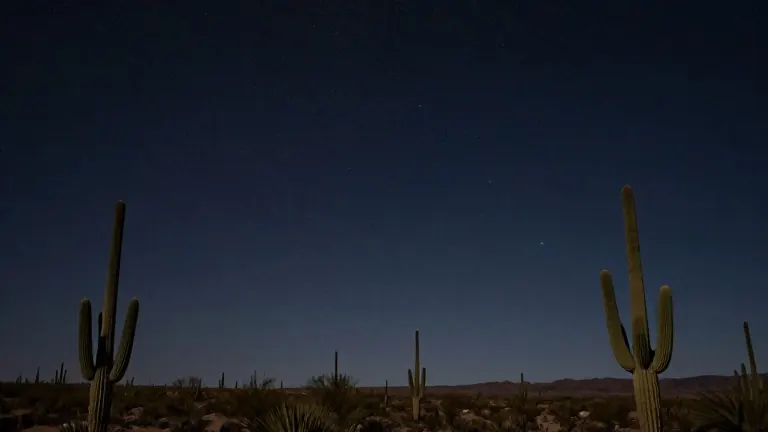
Two meteor showers will produce bright, colorful fireballs over Arizona this month. The Northern and Southern Taurids are active now, with the Southern Taurids peaking from Wednesday, Nov. 4, into Thursday, Nov. 5. The Northern Taurids follow a week later, peaking Nov. 11 to 12. These events are not prolific; observers can expect only about five meteors per hour. However, the meteors are larger and move slower than those in other showers. This allows them to penetrate deeper into the atmosphere before burning up. The result is brighter, longer-lasting fireballs that can glow green, blue, yellow, or orange.
The Taurids are annual events caused by debris from Comet Encke and other stellar objects. They take their names from the constellation Taurus, where the meteors appear to originate. NASA attributes the distinct colors to chemical reactions between the meteor debris and Earth's atmosphere. Elements such as magnesium, iron, and sodium determine the specific hue of each shooting star. The slow speed and bulk of the cosmic debris are the primary factors behind the intensity of the light.
Skywatchers in Arizona have specific windows for optimal viewing. Meteors can be spotted after 7 p.m. as the constellation Taurus rises in the eastern sky. The best hours for each shower are between 11 p.m. and 2 a.m. each night. Observers should seek areas with the darkest skies and unobstructed views of the east. Light pollution from metro Phoenix and other urban centers can obscure the display. Getting to the outskirts of the Valley improves visibility.
Several locations in the Valley are ideal for this event. Gold Canyon, Queen Creek, and San Tan Valley offer dark skies without the glare of major cities. These areas provide clear lines of sight to the eastern horizon. Residents do not need to travel long distances to reach these spots. The combination of low light pollution and the specific trajectory of the Taurids makes these locations the best bets for seeing the fireballs. The Southern Taurids peak first, followed by the Northern Taurids later in the month.