9/11 Survivors Wait as Federal Health Program Rehires Staff
The World Trade Center Health Program plans to fill 120 positions after staffing cuts caused treatment delays for survivors.
By Lauren Bello ·
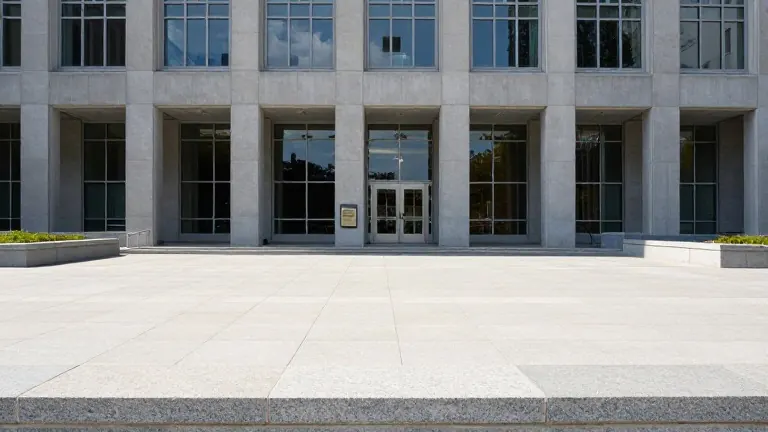
The World Trade Center Health Program faces a staffing crunch that has slowed medical care for survivors of the September 11 attacks. The federal agency recently told lawmakers it is approved to fully staff 120 positions by rehiring 37 employees.
This hiring push follows a wave of federal staffing cuts implemented by the Department of Government Efficiency earlier in the year. Critics argue those reductions hollowed out the program, creating a backlog of claims. Survivors report facing longer waits for medical screenings and cancer treatments.
The Department of Health and Human Services provided the update to Congress in April. The plan aims to restore full staffing levels, though the timeline for rehiring those 37 individuals remains a point of focus for advocates who monitor the program’s progress.
Separate reports highlight a decline in school bus drivers across the United States. The number of employed drivers dropped from 223,252 in August 2019 to 202,076 in August 2025. This nearly 10 percent decrease has led to canceled or delayed routes in some districts.
In a local effort, seventh graders at Winneconne Middle School are working on a community art project. Students in Susan Meunier’s leadership class are tracing and painting portraits of pets to help animals find homes.
The Mississippi River Delta, which spans roughly 2.7 million acres, continues to lose land. This region contains the largest brackish marsh on the North American continent. It serves as critical habitat for wildlife and a flyway for migrating birds, yet the Louisiana coast remains one of the fastest disappearing landscapes on Earth.