Horticultural oils manage pests
Refined oils smother insects and prevent fungal spores from attaching to plant surfaces.
By Ivan Mori ·
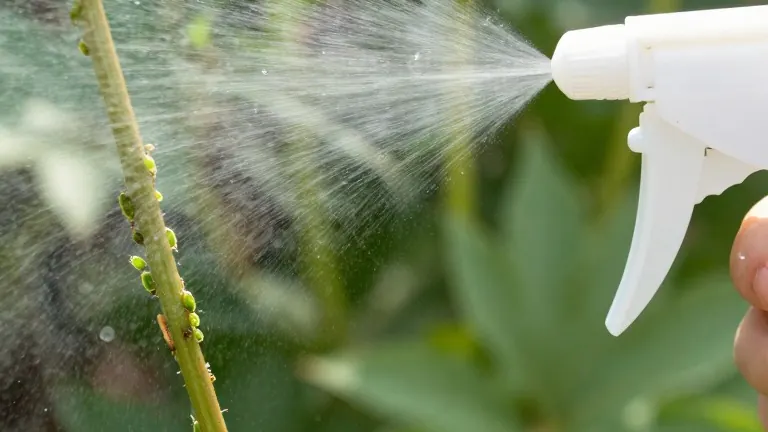
Gardeners facing persistent insect infestations and fungal issues have a physical alternative to chemical sprays. Horticultural oil, a refined substance derived from petroleum or plant sources like cottonseed, soybean, or neem, serves as both a pesticide and fungicide. The product works by coating insects, eggs, and spores, smothering them and disrupting exoskeletons without introducing synthetic chemicals.
Two distinct formulations exist for different times of the year. Winter oil, also known as dormant oil, possesses a higher viscosity. This thickness allows the substance to remain on plant surfaces for an extended period. Because of its weight, it can damage tender foliage, so it is restricted to late winter or very early spring application when plants are dormant and temperatures are cool but not freezing.
Summer oil, or foliar oil, is lighter and evaporates more quickly. It is designed for use during active plant growth. The lower viscosity reduces the risk of leaf damage, but application requires caution regarding heat. Temperatures should remain below 85 degrees Fahrenheit to prevent phytotoxic effects, such as burning, on the plant tissue.
The choice of oil depends on the target pest. Summer oil targets active soft-body insects like aphids, mites, and soft scales. It also prevents powdery mildew by stopping spores from attaching to leaves. Winter oil is better suited for severe infestations and hard-bodied scales due to its longer residence time on the plant.
Proper preparation improves the effectiveness of the treatment. Infested plant material should be removed and discarded in regular trash rather than compost. Raked fallen leaves should be discarded or hot composted. For perennials, hard pruning before application helps the oil reach hidden pests.
Timing is critical for winter oil application. Daytime temperatures must fall below 85 degrees Fahrenheit, while nighttime temperatures should stay above 40 degrees Fahrenheit. This window ensures the oil remains effective without stressing the plant. Since the control method is mechanical rather than chemical, pests do not develop resistance, a common issue with repeated chemical pesticide use.
Monitoring is required during the growing season. If pests return in spring or summer, a second application of summer oil can control a small problem before it expands. The oil acts as a physical barrier, making it a sustainable option for managing garden health without introducing synthetic compounds.