NASA Estimates 22 Starship Launches Needed for Moon Landing
A new internal assessment suggests the lunar lander will require significantly more fueling flights than previously hoped, complicating the timeline for returning humans to the Moon.
By Lauren Bello ·
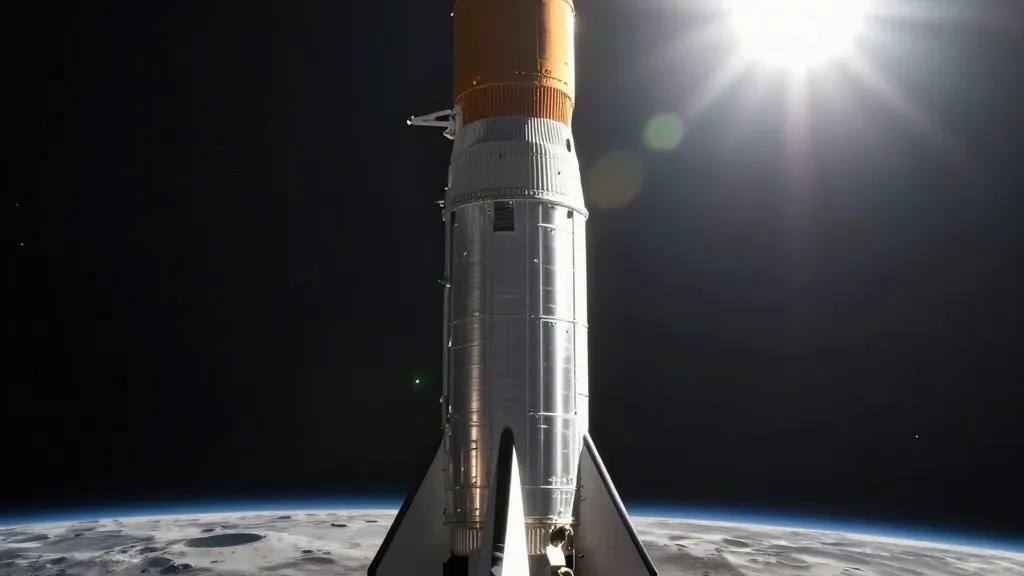
The cost of going to the Moon just got a lot higher.
NASA has long kept the exact number of rockets needed for the Artemis program under wraps. This figure is critical for planning the return of humans to the lunar surface. For years, officials refused to give a specific count. They preferred to stay vague to avoid locking in a strategy before the technology was fully proven.
The path to this new estimate has been marked by shifting goals and technical hurdles. In 2023, Lisa Watson-Morgan, then the director of the Human Landing System, told reporters that NASA had a general idea but was reluctant to share it. She later described the requirement as being in the high single digits to the low double digits. That estimate implied roughly a dozen launches. SpaceX would have needed to send one main vehicle and about eleven tanker ships to fill it with fuel.
Other officials have cited even higher numbers, such as the high teens. The plan relied on SpaceX dramatically improving the lift capacity of the Starship rocket. If the rocket could carry more weight per flight, the total number of tanker trips would drop. This efficiency was a key part of the strategy to land astronauts within the current decade.
However, concerns are growing that these improvements may not arrive in time. Some NASA officials worry that the Starship rocket might not reach the necessary performance levels soon enough. This could limit its role in the near-term Artemis missions. The agency needs a reliable system to get crews to lunar orbit and back.
On Thursday, the NASA Aerospace Safety Advisory Panel held its regular quarterly meeting. The panel is tasked with reviewing risks across the space program. During this session, panel member Charlie Precourt, a former NASA astronaut, addressed the safety issues associated with the Moon landing plans.
Precourt discussed the specific metrics that are currently troubling agency leaders. The new estimate of 22 launches signals a significant change from previous projections. This number suggests a much more complex and resource-intensive operation than previously assumed. It indicates that the fueling process in low-Earth orbit will take longer and require more coordination.
The shift from a dozen or so flights to twenty-two changes the logistics of the mission. More launches mean more time spent in orbit waiting for fuel to be delivered. It also increases the risk profile associated with the assembly phase. NASA must now plan for a longer duration in space before the lander can depart for the Moon.
This development highlights the ongoing tension between ambitious timelines and technical realities. The agency is still committed to landing people on the Moon this decade. But the data suggests that the path to getting there is steeper than expected. The next few months will be crucial as NASA and SpaceX work to refine these numbers and adjust their operational plans accordingly.