Space company turns down military contracts as European rocket nears completion
A major US launch provider declined three government deals this week, while a Spanish startup reported significant progress on its upcoming small-lift vehicle.
By Mateo Thompson ·
The space industry faced a moment of unusual tension this week when a prominent American launch provider signaled its independence from government contracts. On Thursday, SpaceX informed the US Space Force that it was passing on three offered military launch deals. This decision stands out because it comes at a time when private companies are increasingly intertwined with national defense goals. The company effectively told its primary government client that it was not ready to commit to those specific tasks, prioritizing other aspects of its massive civil space program instead.
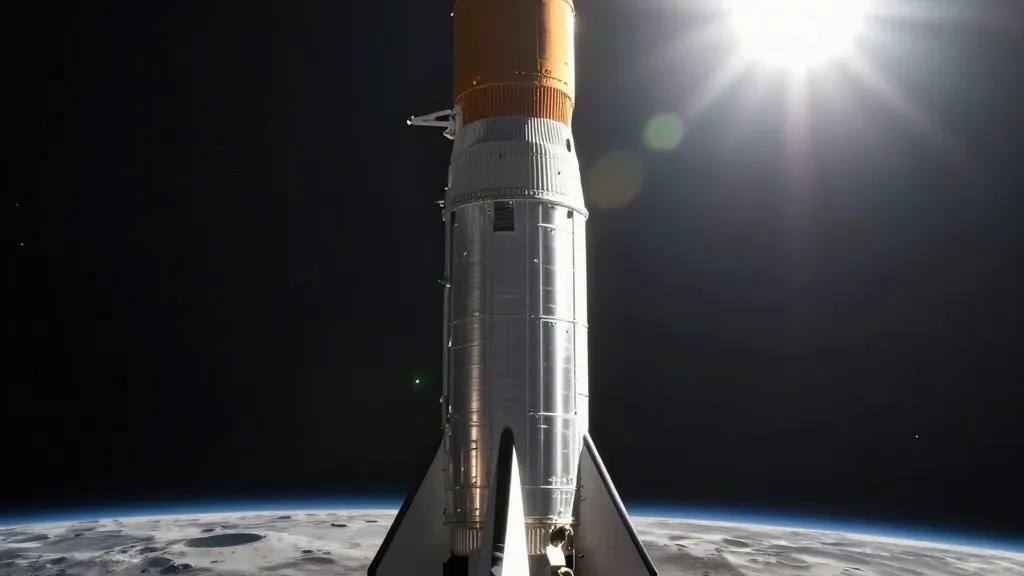
This move occurred alongside significant news regarding the company’s flagship vehicle. A safety panel associated with NASA indicated that the Starship rocket may require a substantial amount of propellant to support a lunar landing. Specifically, the panel suggested that up to 22 refueling operations might be necessary in Earth orbit to make such a mission viable. This highlights the complex engineering challenges that remain as the company pushes toward its long-term goal of establishing a human presence on the Moon.
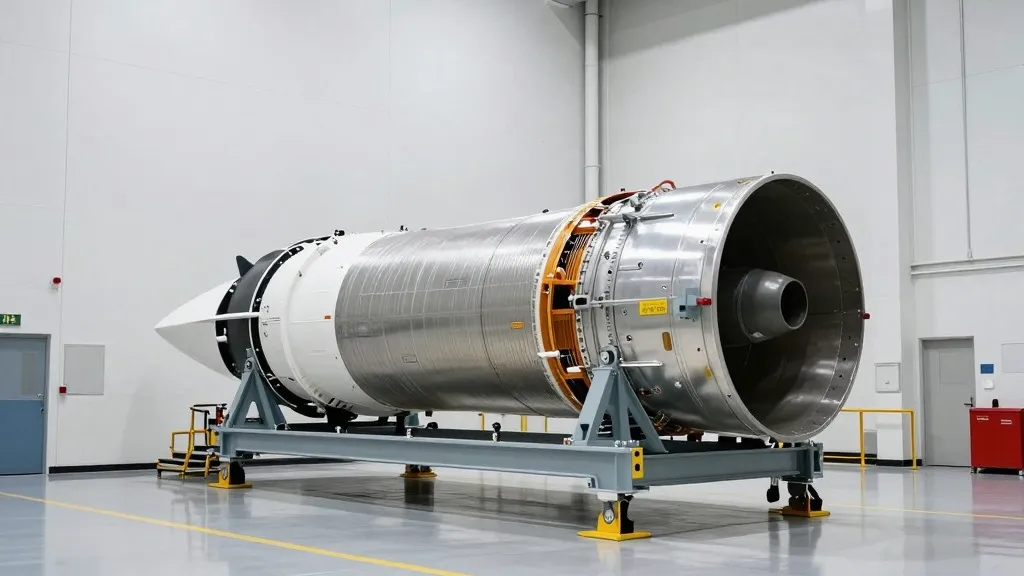
While attention in the United States focused on these strategic shifts, a different kind of progress was being reported from Europe. PLD Space, a company based in Spain, announced that its Miura 5 rocket is nearing the final stages of assembly. The vehicle is scheduled to make its first flight in the second half of 2027. This small-lift rocket represents a crucial step for the company, which has already manufactured three units of the design. Two of these vehicles were created specifically to test and qualify key system components, allowing the engineering teams to apply lessons learned directly to the flight-ready model.
Raúl Torres, the chief executive of PLD Space, provided an update on October 19 regarding the status of the project. He explained that producing the three vehicles has allowed his teams to work continuously across various production phases. According to Torres, this approach enabled the team to integrate insights from each qualification campaign into the final launch vehicle. The company is now targeting a debut before mid-2027, a timeline that reflects a steady and measured pace of development.
Currently, one second stage of the Miura 5 is fully integrated. This stage has been moved to the company’s test facility in Teruel to begin system-level testing. The testing will be conducted under conditions that mimic actual operational scenarios. The qualification campaign includes a wet dress rehearsal and a static hot-fire test. These steps are critical for ensuring that the rocket can handle the stresses of launch and that its systems function reliably in a real-world environment.
Meanwhile, the Canadian launch sector is preparing for a significant expansion. Reaction Dynamics, one of three notable startups in the country, is seeking to raise $350 million in new funding. The capital will be used to grow the company’s workforce from its current size of 68 employees to more than 350. This hiring drive is part of a broader effort to accelerate the development of its small-lift Aurora rocket. The company hopes to see the Aurora reach orbit by 2028.
In addition to the small-lift vehicle, Reaction Dynamics has outlined plans for a larger medium-lift rocket named Borealis. The company aims to have the Borealis ready for its debut by 2031. This dual-rocket strategy suggests a long-term commitment to the Canadian market, with the Aurora serving as a stepping stone toward heavier lifting capabilities. The fundraising effort is a key milestone for the startup as it looks to compete in a global market dominated by established players.
These developments illustrate the diverse paths being taken by companies in the launch industry. While some are navigating complex relationships with government agencies and refining massive vehicles for deep space, others are focusing on building foundational infrastructure and growing their teams in emerging markets. The coming months will likely reveal whether these strategic choices pay off as each company works toward its respective flight timelines.