Tens of Thousands: The Scale of Ukraine's Satellite Dependence
As service reliability wavers, Kyiv and its European backers confront the massive logistical and financial reality of sustaining a war effort built on commercial hardware.
By Ivan Mori ·
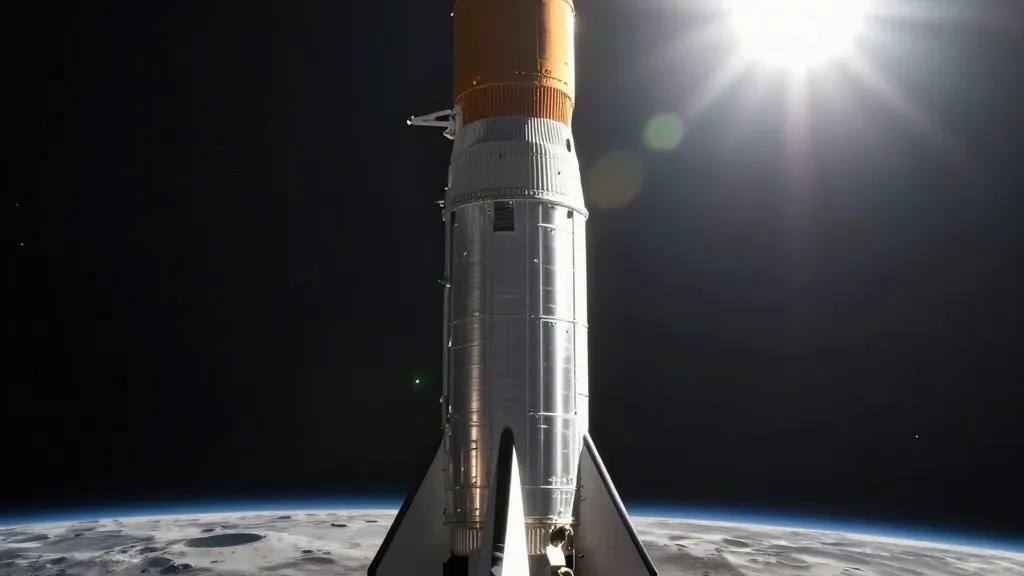
Elon Musk’s satellite constellation has evolved from a strategic asset into a source of acute uncertainty for Kyiv. For years, the Starlink network served as the digital backbone for Ukraine’s resistance against Russia’s full-scale invasion. However, the relationship has grown increasingly strained. Recent disruptions to service, coupled with Musk’s visible political leanings, have forced Ukraine and the broader European alliance to urgently reconsider their reliance on this single provider. The core question now dominating defense discussions is no longer about how to use the technology, but how to survive if it suddenly stops working.
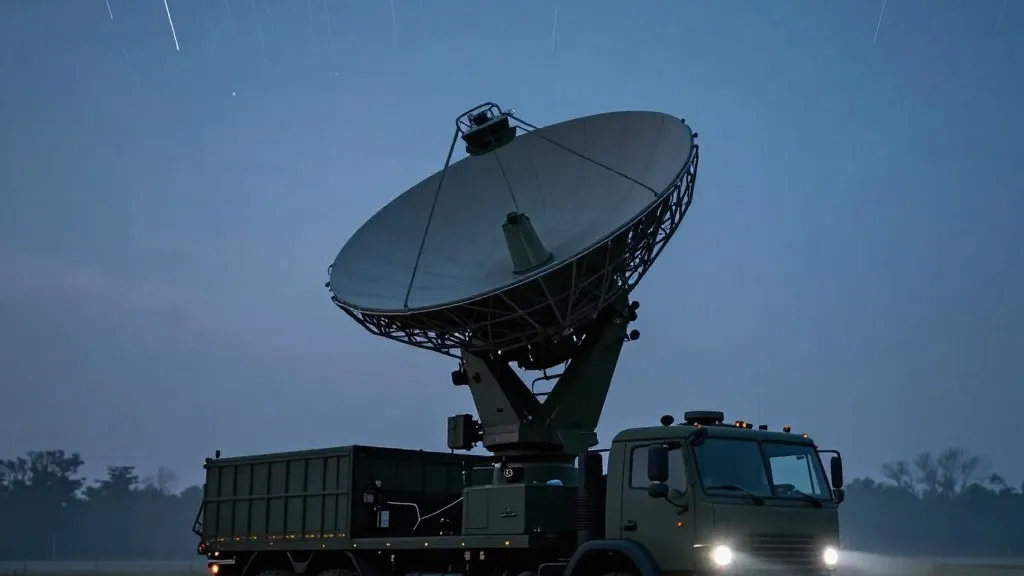
The scale of this dependency is staggering. The United States government, along with European nations including Poland and Germany, has funded the purchase of tens of thousands of commercial Starlink terminals for delivery to Ukraine. These funds also cover the ongoing subscription fees required to keep the devices online. Beyond the commercial hardware, Washington has granted the Ukrainian military access to a specialized, military-grade variant of the service known as Starshield. This tiered approach has created a complex infrastructure where both civilian and military operations are tethered to the same commercial provider.
The operational impact of this network has been profound. Starlink provides high-speed internet and data streams to any user or vehicle equipped with a compact terminal. This capability has allowed Ukraine to maintain vital communications lines for both civilian populations and military command structures. Crucially, it has expanded the Ukrainian military’s reach, enabling the remote control and guidance of drones. These drones are central to Ukraine’s strategy, used both for air defense against Russian attacks and for striking back at enemy targets deep within Russian territory.
Despite its dominance, the system is not without technical limitations. According to the head of hardware R&D at the Ukrainian defense company BlueBird Tech, who spoke anonymously to Ars for security reasons, the network currently offers some of the best satellite coverage available. The representative noted that when considering the combination of cost, availability, and ease of use, Starlink has virtually no competitors. However, the primary practical limitation remains physical: the antenna must be positioned correctly to receive signals from the satellites in orbit. This requirement can be challenging in dynamic battlefield conditions.
The recent instability in service has highlighted the risks of this concentration. As the world’s largest communications satellite network, Starlink’s reliability was previously taken for granted. Now, its unpredictability is forcing a reassessment of strategic planning. European leaders are looking at the situation with growing concern, recognizing that if the service falters, the entire communication architecture of the war effort could be compromised. The political dimension of Musk’s influence has added a layer of complexity that pure military strategy did not anticipate.
Ukrainian defense firms are already adapting to these challenges. The BlueBird Tech representative indicated that Ukrainian companies are testing their own technologies in cooperation with the military, utilizing the Starshield access to integrate new capabilities. This collaboration suggests a shift toward a more hybrid model, where commercial infrastructure is supplemented by tailored military solutions. The goal is to reduce the vulnerability of critical operations to external commercial decisions or technical glitches.
The financial commitment to this infrastructure is substantial. The tens of thousands of terminals represent a significant capital outlay for the US and European taxpayers. Furthermore, the subscription fees create a recurring cost that must be sustained for the duration of the conflict. This economic reality means that moving away from Starlink would not only be a technical challenge but a significant financial undertaking. Replacing or augmenting such a vast network requires time, resources, and coordination that are currently in short supply.
For now, the situation remains in a state of flux. Ukraine continues to operate with the Starlink network, but the margin for error has narrowed. The coming months will likely see increased pressure on both the commercial provider and the political backers to ensure stability. The stakes are high: without reliable communications, the precision of drone operations and the coordination of military efforts would suffer. The era of seamless satellite support is giving way to a period of cautious adaptation, where every connection is monitored for potential disruption.