Tesla Targets 20,000 Robots Weekly as Optimus Production Accelerates
The company has begun building its humanoid robots on a high-volume line, with plans to significantly scale output.
By Ivan Mori ·
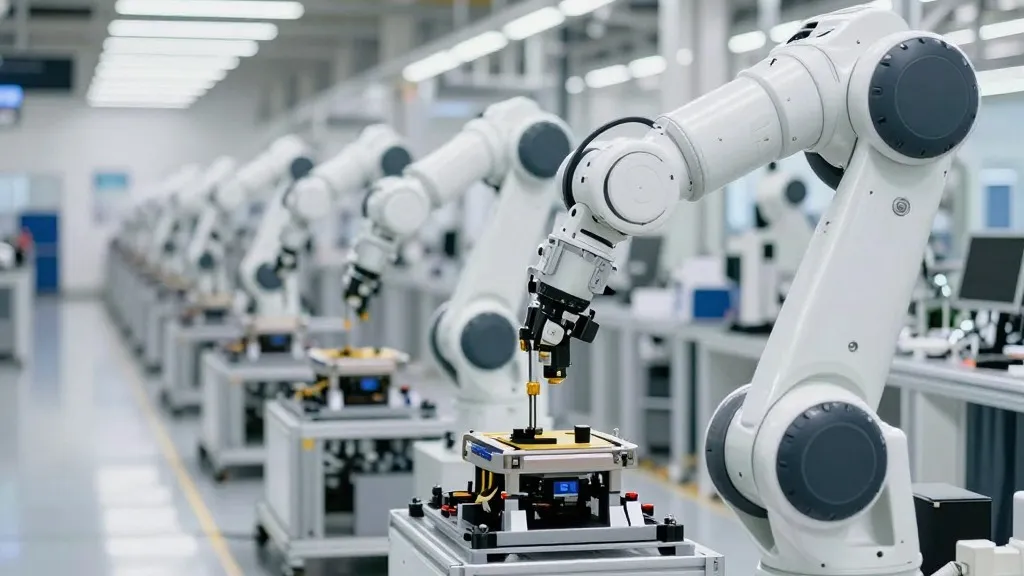
Tesla has initiated production of its Optimus humanoid robot on a dedicated high-volume assembly line, marking a pivotal step toward large-scale manufacturing of the machine. According to the company's third-quarter shareholder letter, the units now coming off this line are the first to achieve production quality, confirming the viability of the manufacturing process for a commercial product.
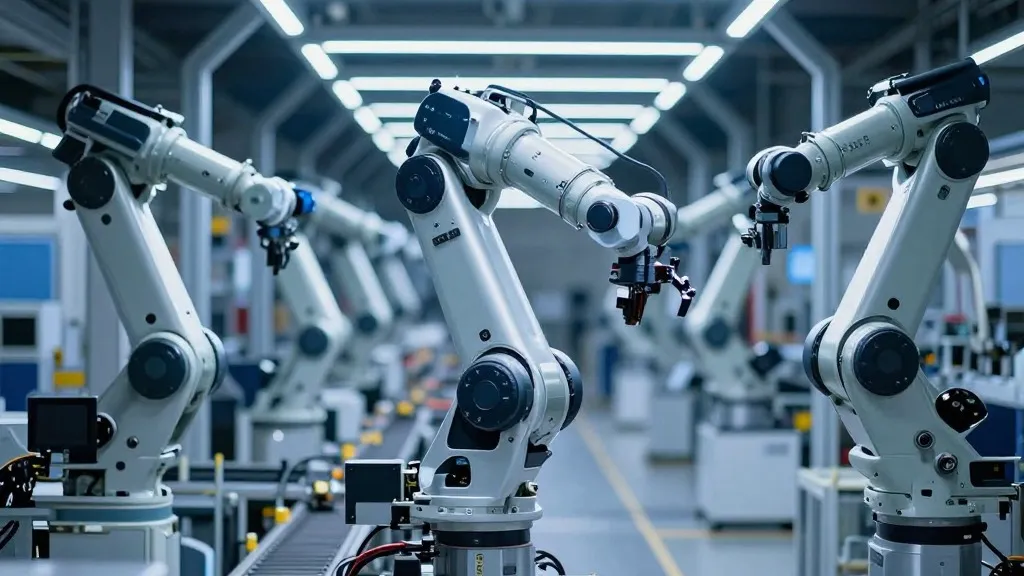
The new production line is situated in the Fremont factory space that previously assembled Model S and Model X vehicles. Tesla cleared that area in just 46 days to create a facility capable of producing up to one million robots annually. During a recent earnings call, Elon Musk reported that most of the necessary equipment for this capacity has already been installed at Fremont, with weekly output projected to ramp toward approximately 20,000 units. Musk characterized this initial growth phase as a shallow slope on a classic S-curve, indicating that production volume will increase gradually at first.
The company is currently focused on refining the robot's AI, electromechanical design, reliability, and service life, a process Musk expects to complete by the end of next year. Following this refinement period, Tesla plans to begin delivering Optimus units to external companies for tasks that are dangerous, repetitive, or require continuous operation.
A central element of the strategy for training the robots involves a new initiative called Optimus Academy. Unlike its vehicles, which benefit from data gathered from a vast fleet on the road, Tesla lacks a similar network of robots for training. To address this, the Academy will use 10,000 to 20,000 robots to practice a wide range of tasks, feeding their learnings back into the next iteration of the AI model. Each unit manufactured at the Fremont facility will also contribute to this data collection process.
Looking ahead, Tesla plans to integrate its AI5 chip into Optimus next year. Musk also stated that a new video demonstrating the robot completing tasks driven by AI, rather than preprogrammed motions, should be available within one or two months. He contrasted this with rival humanoid demonstrations that only run scripted routines, noting they would not be viable in real-world scenarios.
The supply chain for the program is also taking shape. In September, Tesla certified several companies as mass production partners for Optimus components. Furthermore, a much larger Optimus factory is being constructed at Giga Texas, and Musk has set a long-term production target of 10 million robots per year for that facility.
Tesla executives have noted that the production cost for Optimus is trending toward the expected manufacturing cost of its Cybercab vehicle, suggesting the robot is being engineered for volume from the outset. The most difficult part of the design remains the hands, where much of the current engineering work is concentrated.