Wolves Invade Finnish Villages as Google Clears 1,300 Acres for AI Infrastructure
Unauthorized forest removal near Muhos has displaced wildlife, forcing wolves into nearby settlements and prompting regulators to halt construction.
By Ivan Mori ·
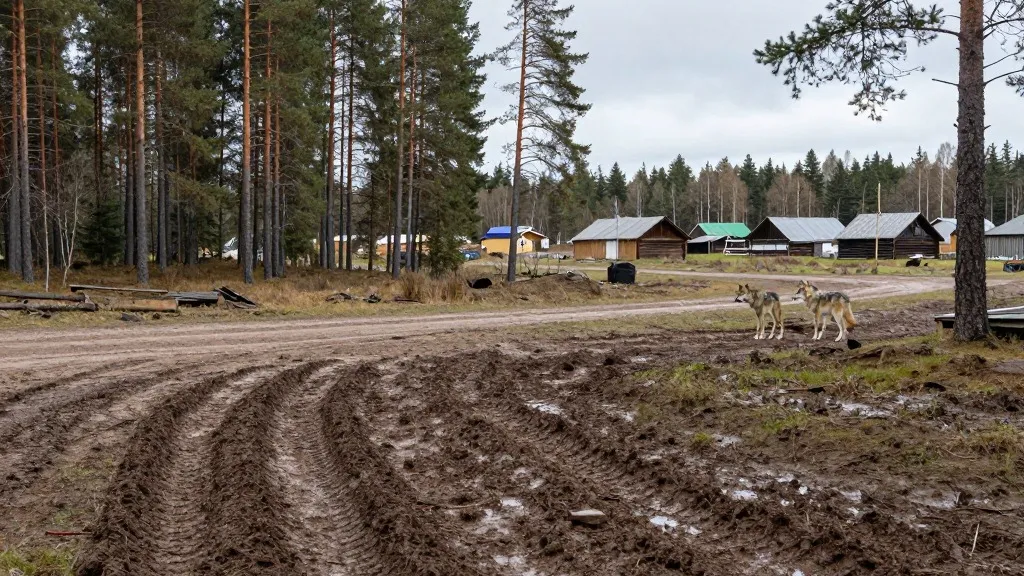
1,300 acres of Finnish forest have effectively vanished, replaced by an expanse of mud and industrial activity. This drastic transformation is the result of Google’s construction efforts to build new AI data centers in the country. The scale of the clearing has triggered a chain of ecological and social consequences that are now reaching the doorstep of local residents. The situation has escalated from a regulatory dispute to a public safety concern for villages in the region.
The physical impact on the landscape is severe. Approximately 816 acres of forest near Muhos have been turned into muddy terrain. An additional 500 acres of forest, located 55 miles southeast of the village of Otanmäki, have also been cleared. Google’s Finland country manager has issued an apology for the unauthorized clearings. Regulators have not been passive in response. The Finnish Licensing and Supervision Authority, known as LVV, has issued an order for Google to cease work in these specific areas. This regulatory action follows a notice given earlier this month to stop construction activities in Muhos and Kajaani.
The human element of this story is defined by displacement. Wolves that previously inhabited the cleared forests are now roaming into neighboring villages. Local families report that wild animals have entered the countryside, creating a serious safety concern for humans. Anni Ranta, a 53-year-old resident whose family has lived in Otanmäki for generations, described the shift in wildlife behavior. She stated, “We had wolves coming into the village because all the wild animals moved out of the forest.” Ranta also expressed a broader geopolitical fear, suggesting that the presence of U.S.-owned data centers could make Finland a more attractive target for Russian aggression.
The local reaction extends beyond the immediate threat of wildlife. Residents have voiced complaints about the constant noise from construction and factories. There are also reports of streams turning brown and rare bird species being pushed out of their habitats. These grievances mirror concerns raised by communities in the United States and other countries that host large-scale AI infrastructure projects. The Finnish Association for Nature Conservation, or SLL, indicated to The Guardian that Google’s disregard for environmental policy has been unprecedented and clear. This assessment aligns with the regulatory stance taken by the LVV.
Google has maintained a positive tone regarding the situation despite the regulatory orders. A company spokesperson stated, “We will fully comply with LVV’s requests in this matter.” The spokesperson added, “We look forward to maintaining an active, open dialogue with all authorities to strengthen our partnership with Finland and local organizations.” The company appears to be banking on the long-term business benefits of the data centers to sway regulators and the government. However, the immediate disruption to the local ecosystem and community life has made the partnership seem less collaborative and more contentious.
The stakes for Google in Finland are high. The company is operating in a region with strict environmental standards and a sensitive geopolitical position. The unauthorized clearing of such a large area of forest has set a precedent that other AI developers may watch closely. The combination of regulatory halts, public anger, and ecological disruption creates a complex challenge for the tech giant. The mud replacing the trees is a tangible symbol of the trade-offs being made in the race to build AI infrastructure.
For the residents of Otanmäki and neighboring areas, the abstract concept of global AI power has become a very local reality. The wolves are a visible sign of the hidden costs of digital progress. As Google works to comply with the LVV’s order, the question remains whether the relationship between the tech giant and the Finnish public can be repaired. The muddy landscape where the forest once stood is a reminder that the digital world has very physical foundations.
The incident highlights the growing friction between rapid technological expansion and environmental preservation. Google’s apology and commitment to dialogue are necessary steps, but they may not be enough to quell the simmering anger in the community. The displacement of wildlife is a stark indicator of the impact on the local ecosystem. As the construction halts, the focus shifts to what happens next, both for the data centers and for the wolves that now roam the villages.