69 Colorado dispensaries affected by two rapid-fire cannabis recalls
State regulators issued separate safety orders for contaminated dabs and flower in October, following an audit that found most commercial product went untested for pesticides.
By Ivan Mori ·
Ninety-four days after the first major recall of the year, Colorado’s Marijuana Enforcement Division (MED) issued a second safety order on Oct. 27, bringing the total number of affected dispensaries to 69 in just four days. The rapid succession of alerts highlights ongoing quality control issues within the state’s regulated market.
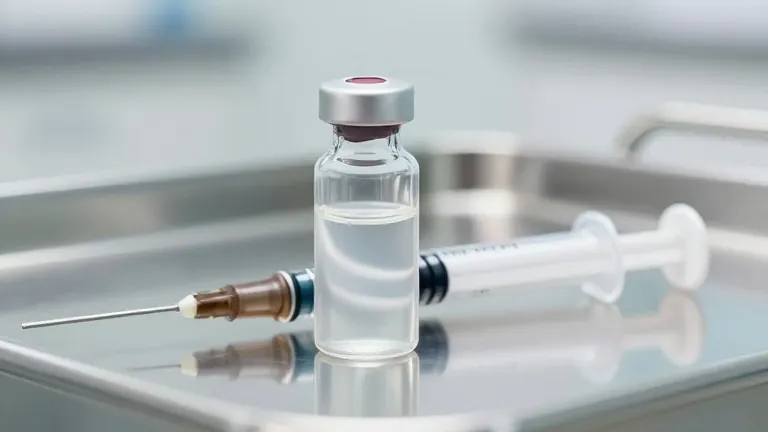
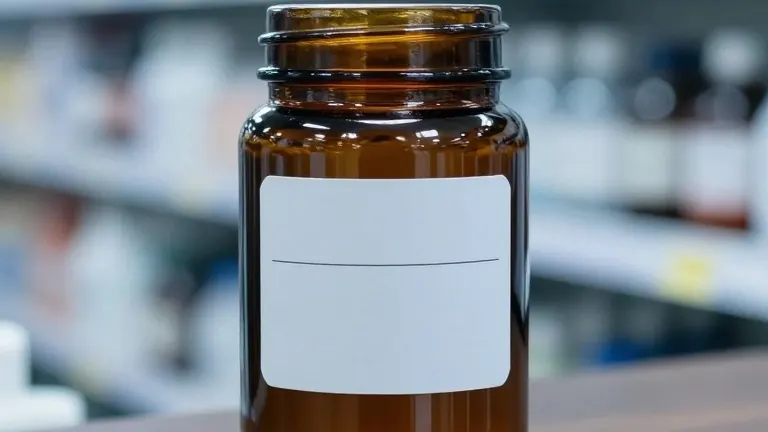
The Oct. 23 advisory targeted THC vaporizer products from Colorado Medical Processing LLC, which operates as Colorado’s Best Dabs. Investigators detected residual methyl ethyl ketone, a solvent prohibited for licensed extractors. The batch, identified by license number 404R-00345 and batch number 4635R, was sold at 32 dispensaries between Aug. 2 and Oct. 17. This marks the second recall for the company in 2026, following a July order for concentrate containing the banned pesticide chlorfenapyr.
Four days later, the MED expanded its safety orders to include marijuana flower grown by Nutritional Elements LLC, doing business as The Health Center. The Oct. 27 notice covered four distinct harvest batches sold at approximately 37 dispensaries, including the company’s University Hills location in Denver. The recalled products, identifiable by facility license number 403R-00025, contained various contaminants. Two strains, Juiceee J and Wedding Cake, tested positive for mold and yeast. Petrol Cookies contained a banned pesticide, while Honeymoon Diesel showed signs of both. Specific tests confirmed the presence of pyriproxyfen, a banned insecticide, and aspergillus, a common cannabis mold.
These two incidents represent the 28th health and safety notice issued by the MED in 2026. Regulators advise consumers to stop using the affected items immediately. The notices instruct individuals to seek medical attention if they experience adverse effects and to report those effects to the division using the official reporting form.
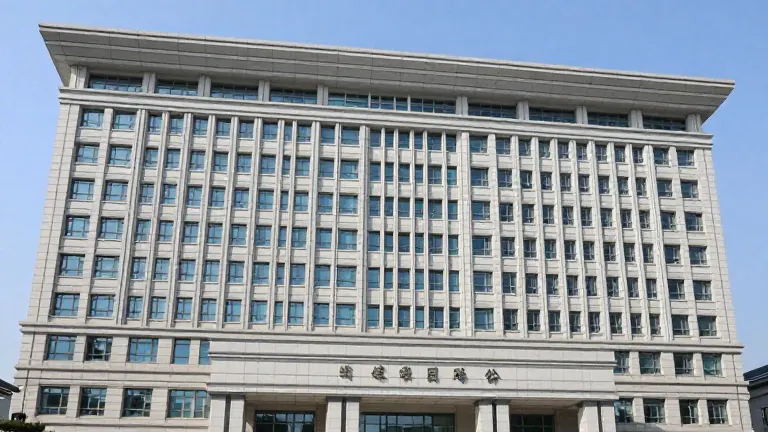
The recalls arrived shortly after a state audit raised questions about the agency’s oversight capabilities. Last week, the state auditor released findings indicating that limited and inconsistent monitoring restricted the MED’s ability to identify consumer risks. The audit noted that from 2023 through 2025, nearly 75% of processed commercial marijuana went untested for pesticides. This gap in testing left a large portion of the market without routine screening for banned substances.
More Business · Watch Your Wallet · Report a business · Got a Story?