Apple Raises iPhone Duo Production Targets by 40% Amidst Surge in Demand
The tech giant has scaled up manufacturing plans for its first folding smartphone after pre-order delays signaled stronger consumer interest than anticipated.
By Mateo Thompson ·
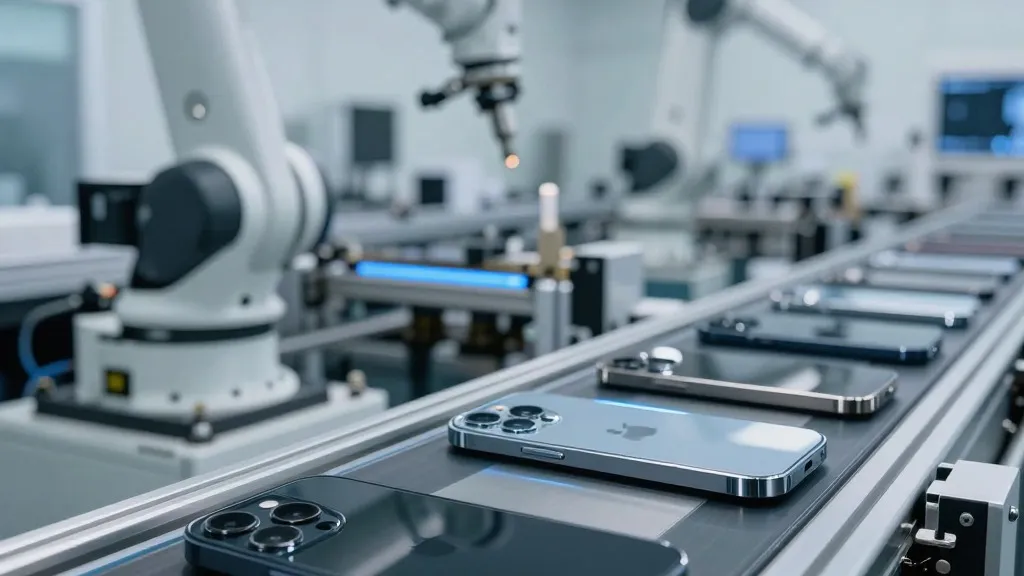
For Californians and other early adopters hoping to secure Apple’s new folding smartphone, the wait is now officially attributed to popularity rather than logistical stumbles. Supply chain analysts indicate that Apple has significantly increased production orders for the iPhone Duo, a move that effectively validates the intense interest shown during the initial sales window. While customers initially faced confusion over why delivery windows extended into late January, the latest data confirms that the bottleneck was driven by record-breaking pre-orders rather than a shortage of units in the supply chain.
The timeline for the device’s launch began last Friday when pre-orders went live. Within minutes, many buyers noticed their estimated delivery dates had shifted considerably, with some seeing ship dates pushed back to the end of January. At the time, it was ambiguous whether these delays reflected overwhelming consumer desire or a failure to prepare adequate inventory. Apple quickly addressed the situation by characterizing the response as “extraordinary” demand, a phrase the company has historically used for major product launches. To manage the influx and prevent bulk buying, Apple capped purchases at two devices per customer.
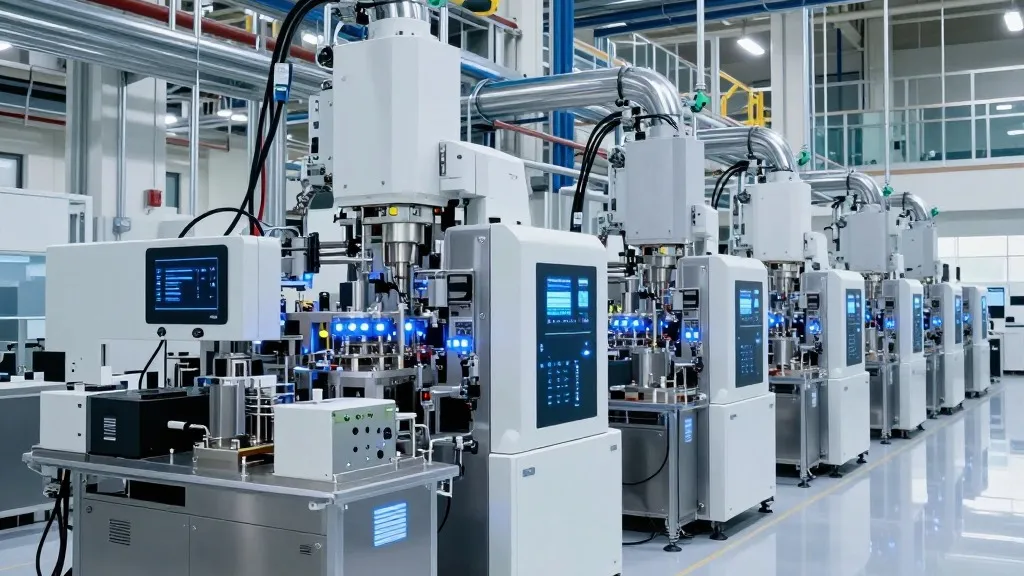
In the days following the launch, some early purchasers found their shipping estimates moving back to earlier dates. This adjustment aligns with reports from DigiTimes, which cite supply chain sources confirming that Apple has ramped up manufacturing. The increase in order volumes is substantial, with the company reportedly boosting its shipment targets for the first 12 months from 9.7 million units to 14 million. This 40% increase suggests that Apple expects the strong demand to persist well beyond the initial launch period, prompting a significant expansion of its production capacity.
Despite the hardware supply improvements, early users are still navigating a software ecosystem that is adapting to the new form factor. Third-party applications have not yet been fully optimized for the iPhone Duo, leading to a mixed user experience for those who have already received their devices. However, Apple states that the situation is improving rapidly as developers update their apps to support the new screen configuration. Initial reviews from users who have had the device for a week consistently highlight app support as a primary area for improvement, alongside the hardware shift from Face ID to Touch ID.
The move to Touch ID on the iPhone Duo was one of the key points raised in early reviews, marking a notable departure from the biometric security standard used on previous iPhone models. However, the design language is not set in stone for future iterations. According to the latest reports, Apple is already testing prototypes for the iPhone Duo 2 that incorporate Face ID technology. This suggests that while the current model prioritizes a specific design or cost structure, the company is exploring how to integrate its more advanced facial recognition system into the next generation of folding devices.
For consumers in California and across the nation, the increased production targets should eventually alleviate the pressure on supply. As the 14-million-unit target is put into motion, delivery times are expected to normalize. While the immediate aftermath of the launch was characterized by extended wait times and software adjustments, the rapid scaling of production indicates that Apple is confident in the long-term viability of the folding iPhone category. The focus now shifts to how quickly the software ecosystem can catch up with the hardware rollout.
More Business · Watch Your Wallet · Report a business · Got a Story?