Trump Pushes Energy Dividend Mandate to Win Over Skeptical Data Center Communities
The administration seeks to offset local resistance to AI infrastructure by requiring facilities to share excess power and financial benefits with nearby residents.
By Lauren Bello ·
The White House has introduced a new economic framework designed to transform local opposition to artificial intelligence infrastructure into community support through direct financial incentives.
In a recent communication on Truth Social, President Donald Trump outlined a mandate requiring data center operators and major AI hyperscalers to provide a dividend to the local communities where they operate. The core objective is to mitigate the burden of rising utility rates and, in some scenarios, to reduce overall energy costs for residents living near these facilities. This initiative aims to make the presence of large-scale data centers more acceptable to the public by ensuring that the economic benefits of the infrastructure are shared with those who host it.
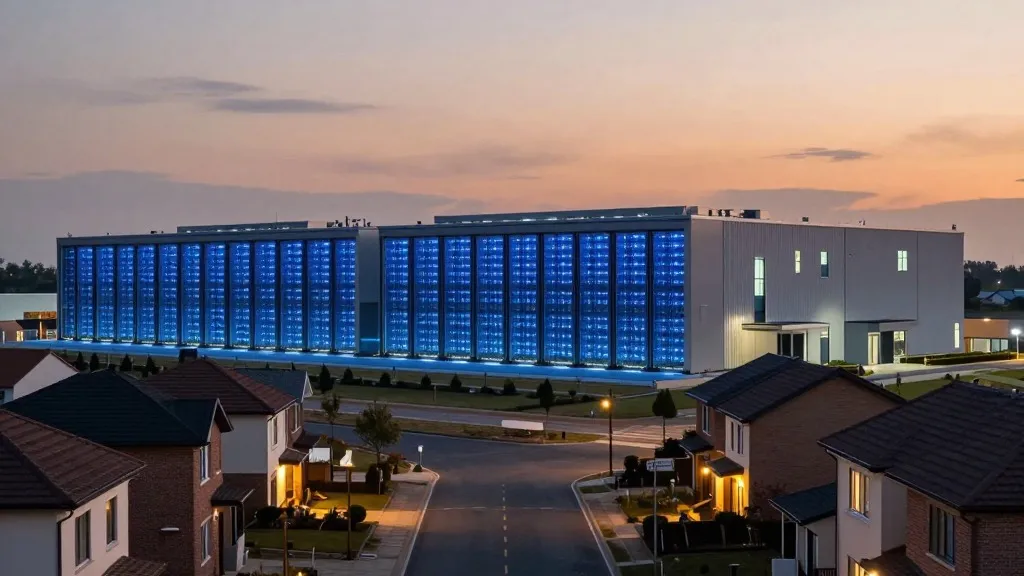
The push for this mandate comes in response to widespread protests across the United States against AI data centers. Residents in various regions have cited significant negative externalities, including increased electricity bills, noise pollution, water scarcity, air quality concerns, and deforestation. By establishing a requirement for these corporations to give back, the administration hopes to address the primary grievance of cost, thereby smoothing the path for new construction projects that are essential to the nation's technological competitiveness.
The administration has previously directed these companies to generate their own electricity to reduce reliance on the existing grid. This new directive builds on that policy by specifying that any excess energy produced by these facilities should be either gifted or sold back to the local community. This approach is intended to leverage the high-volume power generation capabilities of data centers to lower utility expenses for nearby households. It complements a recently enacted law that requires data centers to cover the costs of grid upgrades, preventing these expenses from being passed on to local taxpayers.
President Trump emphasized the strategic importance of securing local buy-in to accelerate the pace of construction. He noted that data centers, which were often viewed with hostility in specific areas, have become popular once a financial agreement was reached. In his concluding remarks, he urged operators to "MAKE DEALS, and get them built!!!," signaling a desire for rapid deployment of new sites to maintain a lead in the global AI race against China.
From a market perspective, the term "dividend" raises questions about the financial health of these new ventures. Traditionally, dividends are distributed by companies that have established profitability. However, many new data center projects are currently in the capital-intensive construction phase, where recouping initial costs is the primary financial priority. The practical mechanism for delivering these dividends remains to be defined, but the most likely form involves partial subsidies for electricity costs to directly alleviate the pain points affecting local homes.
While the financial incentive addresses one aspect of community concern, it does not resolve all operational challenges. Significant issues regarding water consumption, ecological impact, and pollution remain prominent hurdles for site approval. The economic benefit may not be sufficient to overcome these environmental and logistical drawbacks, leaving the long-term viability of this strategy dependent on how effectively the financial deals are structured and implemented on the ground.
The administration’s strategy reflects a broader effort to balance the urgent need for AI infrastructure with the political necessity of maintaining public favor. By mandating a flow of value back to the community, the White House aims to convert a contentious land-use issue into a mutually beneficial economic arrangement, though the ultimate success of this model will depend on the specific terms negotiated between operators and local stakeholders.
More Business · Watch Your Wallet · Report a business · Got a Story?