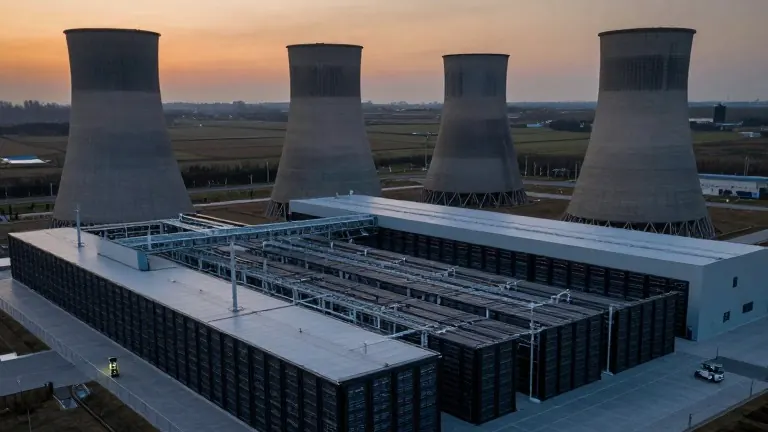
Chip Plant Boom: Community Colleges Cut Training Time to Three Months
Arizona schools offer free, short-term courses to address a projected 157,000 worker shortage in the semiconductor industry.
By Mateo Thompson ·
Ethan Mock signed up for a three month, tuition free course at Rio Salado College in Tempe, Arizona, after hearing about it on the radio in July. He had been working part time at a gym and carrying over $100,000 in debt from a business administration degree at Northern Arizona University. The new program offered a direct path to interviews with major chipmakers in the state.
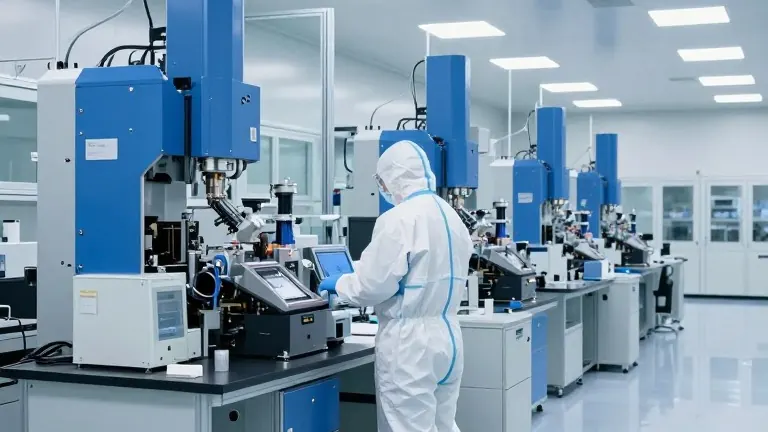
Two months later, Mock was working in a clean room lab wearing full protective gear. He operated machinery that processes silicon wafers for use in smartphones, robotics, and data centers. His classmates included a 64 year old middle school teacher, a laid off software developer in his 50s, and gig workers without college degrees.
The surge in short term training reflects a wider effort to fill entry level technician roles. Shari Liss, who leads talent initiatives at the global chip industry group SEMI, stated that the U.S. semiconductor industry could face a shortage of as many as 157,000 full time workers by 2030. She identified Texas, Ohio, California, New York, and Arizona as regions facing the most acute labor gaps.
Federal agencies like the National Science Foundation and manufacturers such as Taiwan Semiconductor Manufacturing Company, Samsung, and SK Hynix are funding these partnerships. The 2022 CHIPS Act encouraged companies to invest over $800 billion in new U.S. fabrication plants. To staff these facilities, colleges are shortening courses that previously required up to two years of study.
Rio Salado College opened its free 12 week program to the public this fall. The curriculum includes virtual reality simulations and about 20 hours of hands on training in clean room labs at Arizona State University. Rick Vaughn, who manages technology courses at the community college, noted that 75 percent of students who completed the training found semiconductor related jobs.
Similar programs are running at Austin Community College in Texas and West Valley College in Saratoga, California. SEMI reported that more than 200 community colleges and universities nationwide have coordinated with the group to prepare workers as new manufacturing plants come online.
Trevor Thornton, an electrical engineering professor at Arizona State University, teaches semiconductor engineering and noted that expanding access to clean rooms makes it easier for the industry to train employees. Some students choose to pursue engineering degrees at ASU after completing the initial technical training.
TSMC’s $265 billion development project in northern Phoenix is expected to create 25,000 jobs in the next decade. Pearl Chang Esau, an education consultant for TSMC Arizona, estimated that half of those roles will be filled by locally hired technicians. The company is currently bringing experienced engineers from Taiwan and South Korea to train U.S. staff in Arizona, Texas, and Indiana.
More Business · Watch Your Wallet · Report a business · Got a Story?