Colorado Kills Three Wolves as Interior Orders Review
Federal officials will assess state compliance by Nov. 11 after ranchers report persistent livestock losses in western counties.
By Mateo Thompson ·
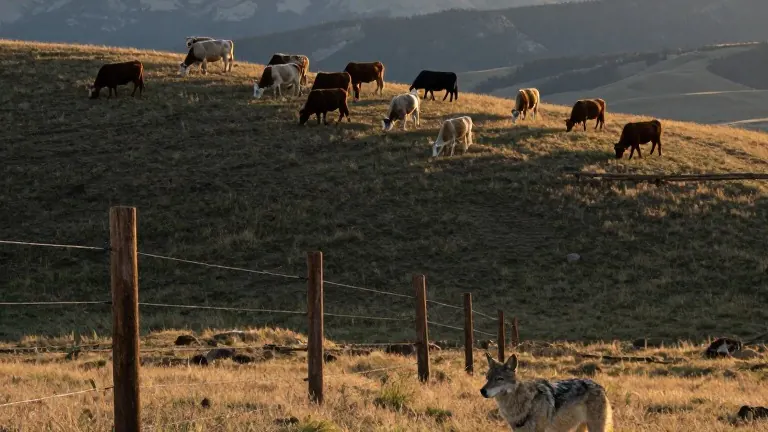
Western Colorado ranchers lost dozens of animals to wolf predation in late summer, prompting state biologists to kill three yearling wolves in three separate packs. The U.S. Department of the Interior has ordered a review of how the state manages these lethal removals under federal regulations.
The Department of the Interior issued an order on Oct. 27, signed by Secretary Doug Burgum, directing the agency to examine the state's use of the federal 10(j) rule. The review aims to determine if the state is adequately compensating ranchers and following program requirements. The federal government will present its findings to state officials by Nov. 11.
State officials shot the three wolves between Sept. 7 and Sept. 9. All three were yearlings, meaning they had not yet reached breeding age. The agency stated that removing non-breeding wolves helps minimize disruption to pack structure while addressing ongoing attacks on livestock.
The first wolf removed on Sept. 7 belonged to the Copper Creek pack in Pitkin County. Biologists confirmed the pack killed a 1,500-pound cow, a bull, and two calves between July 29 and Sept. 4. The second wolf removed that same day was from the Three Creeks pack in Rio Blanco County, which killed 12 sheep and three ewes on a single ranch despite the use of guard dogs and hazing.
The third wolf was killed on Sept. 9 in Jackson County from the One Ear pack. That pack had killed seven cows across four ranches in a four-week period. One rancher, Adam VanValkenburg, noted that wolves have harassed his cattle since before the reintroduction program began. He said a breeding pair migrated from Wyoming and established themselves in the area.
A separate incident occurred south of Hayden where a rancher named Kaitlynn Hayes Wood reported that a wolf killed her 2-year-old filly, Sweetpea. State agents investigated the site and denied the claim on the grounds that the cause of death was inconclusive. A spokesperson for the state said the closest collared wolves were approximately 17 miles away from the ranch.
The federal review will result in recommendations for program improvement. These will include an update to the memorandum of understanding that allows the state to act as the designated agent for wolf management. The state currently operates under a voter-approved plan that protects gray wolves and imposes fines for unauthorized killings.