Democrats Seize Full Control of Congress as GOP Loses Senate and House
The Associated Press has called both chambers for the Democrats, marking a decisive shift in Washington power on Election Day.
By Mateo Thompson ·
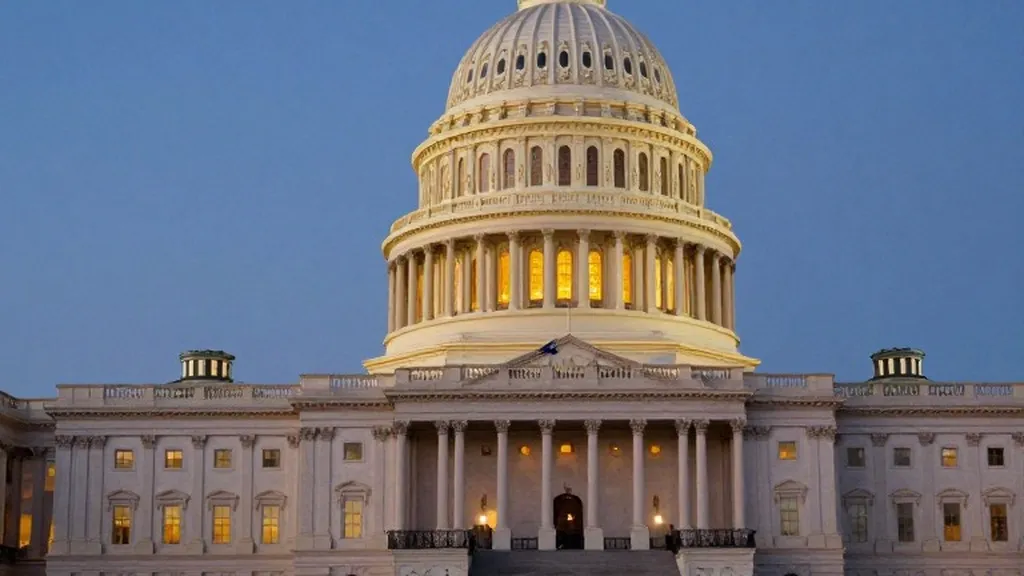
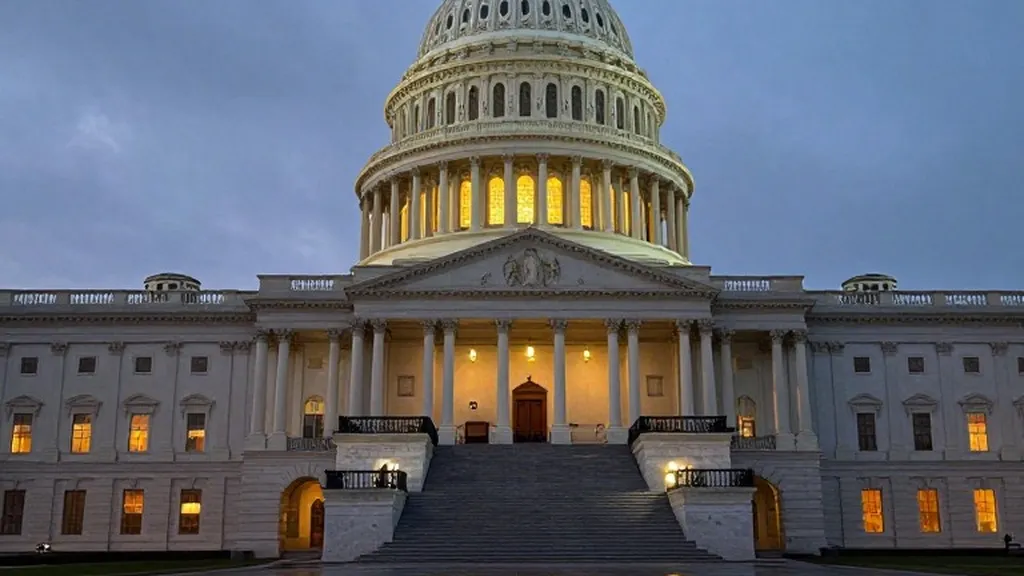
The 2026 midterm elections have concluded with a decisive victory for the Democratic Party, which has secured control of both the U.S. House of Representatives and the U.S. Senate. According to results compiled by Ballotpedia and the Associated Press, Democrats have won at least 250 House seats and 54 Senate seats, effectively ending the Republican majority that had governed Washington for the past two years. This outcome represents a significant rebuke to President Donald Trump and his administration, as the party in power suffered its largest net losses in decades. The shift in power will place all legislative oversight and agenda-setting authority in Democratic hands beginning in January 2027, fundamentally changing the dynamic of the presidency.
In the U.S. House of Representatives, the Democratic Party has captured a commanding majority, winning 250 of the 435 seats currently called. This is a net gain of at least 41 seats from the Republican Party, which held a 220 to 215 advantage heading into the election. The Associated Press has called enough races to confirm that Democrats have flipped a substantial number of previously Republican districts, including several in states that President Trump won in 2024. This sweep of the House gives the new Democratic leadership the power to control the legislative calendar, committee assignments, and the introduction of new bills. Republicans have been reduced to a minority of 157 called seats, a position that will limit their ability to block legislation without the support of independent members or rare bipartisan coalitions.
The race for the U.S. Senate was equally pivotal, with Democrats taking control of the chamber by winning a net of seven seats. Ballotpedia reports that Democrats have won 20 of the 35 Senate races decided so far, while Republicans have won 13. This margin is sufficient to give Democrats a 54 to 44 majority, a level of control that allows them to pass legislation and confirm judicial appointments with relative ease. The seven seats that changed party hands were in Iowa, Kansas, Maine, North Carolina, Ohio, South Carolina, and Texas. These victories in traditionally red states signal a broad national shift in voter sentiment, as Democrats were able to defeat incumbent Republicans in districts that had long favored the GOP.
California voters also participated in this historic election day, with polls open from 7 a.m. to 8 p.m. local time. While the state did not have a U.S. Senate race on the ballot, the outcome of the federal elections will have profound implications for the Golden State. California’s congressional delegation will now operate under a Democratic-controlled House, which may influence how federal funds and legislation are directed toward the state. The state also had an open gubernatorial race, a key contest in one of the nation’s most populous and economically significant states. The results of this race, along with the state legislative contests, will determine the political landscape in Sacramento for the next two years.
Republican leaders have acknowledged the scale of the defeat, with many citing the economy and the cost of living as primary drivers of the vote. The Associated Press Voter Poll indicated that three-quarters of voters felt the economy was not so good or poor, with about 8 in 10 reporting financial hardship due to inflation. These economic concerns appear to have outweighed other issues for many voters, leading to a decisive shift in congressional power. President Trump, who had campaigned heavily in red states to energize the base, now faces a Congress that is poised to scrutinize his administration’s policies closely, including his trade tariffs and foreign policy decisions regarding the war in Iran.
The Democratic Party’s gains extend beyond Washington, with the party winning full control of state governments in at least six states where they previously shared power. These states include Arizona, Michigan, Minnesota, Pennsylvania, Nevada, and Wisconsin. In Arizona, Democrats won control of both state legislative chambers and retained the governor’s office, creating a trifecta for the first time since 1966. This expansion of Democratic power at the state level provides a stronger foundation for future federal campaigns and allows the party to implement its policy priorities at the statehouse level, potentially serving as a blueprint for national legislation.
In the U.S. House, the Democratic majority will likely focus on reversing the previous administration’s key initiatives, including the tariffs and trade deals that were a central part of the Republican platform. Representative Richard Neal, who is expected to regain the chairmanship of the Ways and Means Committee, has already signaled his intent to address these issues. He described the previous administration’s tariffs as unjustified and indicated that the new Congress will work to negotiate better trade agreements. This shift in focus reflects the priorities of the Democratic base, which has expressed strong concerns about the impact of trade policy on the average American household.
The Senate’s new Democratic majority will also play a critical role in confirming presidential appointments and overseeing the executive branch. With 54 seats, Democrats have the numbers to pass most legislation, although they may still face challenges with filibuster rules unless the party chooses to modify procedural norms. The new leadership team will likely prioritize legislation on healthcare, climate change, and infrastructure, areas where Democrats have historically focused their efforts. The party’s ability to pass meaningful legislation will depend on its internal unity and its ability to work with independent senators who caucus with the Democrats.