Speaker Johnson's France Warning Echoes as Democrats Take House
The new Democratic majority now faces the specific policy battles Johnson predicted, including DSA influence and legislative chaos, following Tuesday's decisive vote.
By Ivan Mori ·
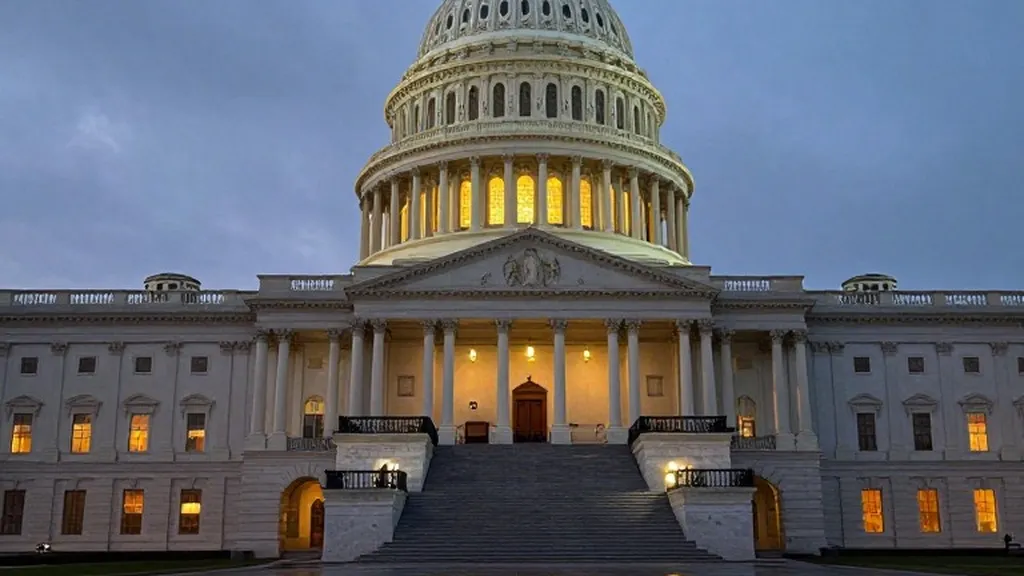
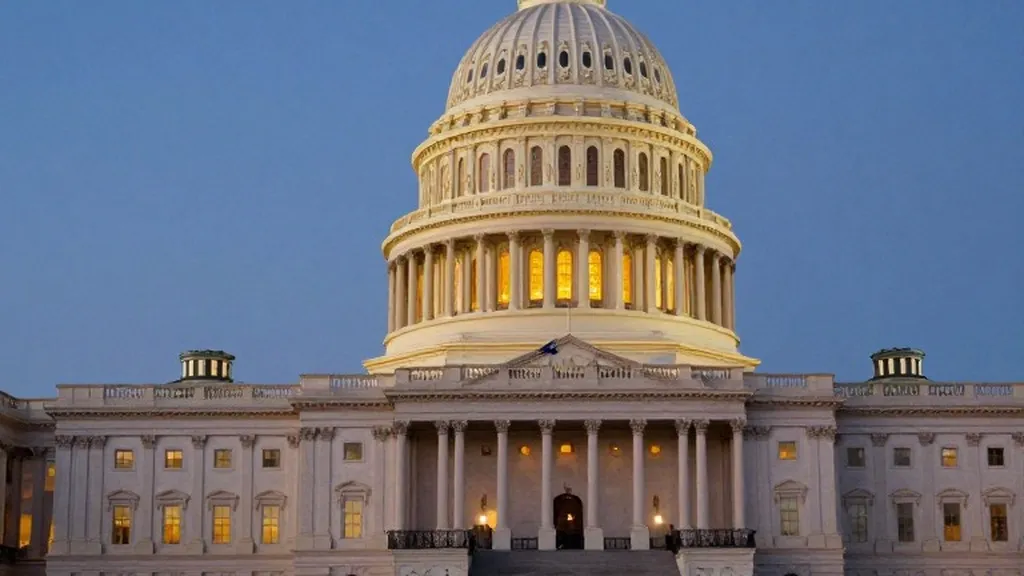
Speaker Mike Johnson warned voters on Tuesday that a Democratic House would be held hostage by the Democratic Socialists of America, a prediction that gained immediate weight as results confirmed a significant Democratic takeover of the chamber. Johnson, who has led the Republican majority for three years, cited his USA Today op-ed and recent Fox News interviews to frame the election as a choice between stability and chaos. With the House now under Democratic control, the specific threats Johnson outlined, including the influence of the DSA and the potential for legislative gridlock, have moved from campaign rhetoric to immediate political reality.
In his op-ed published just days before the election, Johnson wrote that even a narrow Democratic House would be held hostage by the DSA. He argued that the party had bent the knee to its far-left wing, making it difficult for moderate Democrats to govern. Johnson pointed to old-school Democratic strategist James Carville, who admitted he would rather see Republicans keep the House than Democrats win by a small margin because of the party's internal dynamics. The election results show Democrats gained at least 41 House seats, securing a majority of at least 250 seats, which validates Johnson's concern that the DSA would hold significant leverage in the new chamber.
Johnson also used France as a dark harbinger of what could happen in the United States. In his writings and interviews, he described violent riots in France, including the smashing of buildings and the looting of shops, as a result of decades of misguided policy choices. He linked these events to lax immigration enforcement and government largesse that stagnated growth. Johnson argued that the chaos unfolding in France was a preview of what could happen in the United States if Democrats took control, suggesting that similar policy paths would lead to similar outcomes in American cities and towns.
During his appearance on the Ingraham Angle, Johnson stated that it will be chaos every day for two years in the next Congress. He emphasized that every vote would count, noting that in 2024, ten House races were decided by 6,000 votes or less. Johnson warned that Democrats would try to open borders wide and repeal the Working Families Tax Cut. He described the incoming group of angry Democrats as those who would go after retribution of President Trump and his administration. This warning of daily chaos now serves as the backdrop for the first session of the new 119th Congress under Democratic leadership.
The Republican majority under Johnson claims to have delivered historic results despite holding one of the smallest majorities in history. According to statements from the Speaker's office, Republicans delivered $4.6 trillion in lower taxes, which they describe as the largest middle and working class tax cut in history. They also claim a $1.6 trillion reduction in wasteful government spending and a totally secured border. Additionally, the party points to the lowest violent crime rate in 126 years and the largest decline in prescription drug costs in 60 years as key achievements of their time in power.
Johnson emphasized that Republicans delivered on their promises by bringing down costs and cutting taxes. He stated that Democrats voted against all of these measures, and that people are looking at record over rhetoric. The Speaker highlighted the addition of more than one million private sector jobs and the reshoring of American manufacturing as evidence of pro-growth policies working. He argued that the contrast between common sense and crazy was clear to voters, and that the election results reflect a desire to maintain the foundations that made the nation great.
Despite the Republican narrative of success, Johnson acknowledged that Democrats forced three government shutdowns during their time in opposition, including the longest in U.S. history. He stated that Republicans delivered historic results in two years despite these disruptions. The Speaker noted that the new Democratic majority would face the challenge of governing with a smaller margin than some previous Democratic majorities, potentially leading to more intense internal debates and policy shifts toward the party's progressive wing.
California voters played a significant role in the national shift, with polls open from 7 a.m. to 8 p.m. The state faced an open governor race and no Senate race, but its congressional districts were pivotal in determining the overall House majority. The decisive nature of the vote in California, combined with results in other battleground states, contributed to the Democratic wave that Johnson had warned about. The state's large delegation now holds substantial power in the new House, influencing the balance of power in key committees.
The new Democratic leadership must now address the specific policy proposals Johnson highlighted, such as the DSA's platform for eradicating borders and prisons. Johnson had argued that these ideas were no longer fringe but were being embraced by party leaders. The election results suggest that this faction now has the numbers to advance its agenda, at least in the House. The Senate, also under Democratic control with a 54-44 majority, provides additional leverage for these policies, though the process for passing legislation remains complex.
Johnson's warnings about the economic impact of Democratic policies, including higher taxes and rising costs, will likely shape the narrative for the next two years. He had cited the AP approval poll showing that most voters felt frustrated with the country's direction, but he argued that the economic record of the Republican majority, including record stock market indexes, provided a strong counterpoint. The new Congress will face the challenge of managing expectations and delivering results that align with the promises made during the campaign.