Trump's Midterm Role: Rallies, Fraud Claims, and Candidate Distancing
With approval ratings in the low 30s and candidates keeping distance, the president's active campaign is testing the loyalty of the Republican base on Election Day.
By Ivan Mori ·
President Donald Trump has positioned himself at the center of the November 3 midterm elections, holding dozens of rallies in the final weeks of the campaign. His most recent appearance was in Salina, Kansas, where he urged supporters to visualize his presence on the ballot. He told the crowd, "I really want you to pretend I'm on the ballot." This directive serves as a clear signal to voters that the choice between the two major parties is effectively a referendum on the president's second term.
The Associated Press describes the election as a direct test of Trump's leadership, noting that voters are struggling with high prices and anger over an unpopular war with Iran. The AP-NORC poll indicates that 35 percent of U.S. Adults approve of his job performance, while only 25 percent approve of his handling of the economy. Approximately 7 in 10 adults say the country is heading in the wrong direction, with most blaming the president for rising costs. These numbers suggest that the president is entering the final stretch with a significant portion of the electorate dissatisfied with his economic record.
Despite his high profile, many Republican candidates have kept their distance from the president during the final phase of the campaign. This strategic separation appears to be an attempt to insulate their races from the national mood while still benefiting from his name recognition. The president's active role contrasts with the typical midterm dynamic where the sitting president takes a backseat, but in 2026, he has remained a central figure in the fight for control of Congress.
Trump has continued to make claims about voting fraud, including the assertion that noncitizens vote in large numbers. His administration has filed lawsuits in Alaska and California related to election certification and ballot handling. In California, a judge ordered the administration to stop demanding that election officials segregate ballots cast by people on lists of suspected noncitizens. Critics argue these actions risk disenfranchising eligible voters and infringe on state authority, while the administration maintains it is preventing widespread fraud.
The financial backdrop of the election is also heavily influenced by the president. The 2026 elections are likely to be the most expensive in history, with Republican committees outraising and outspending their Democratic counterparts. This spending surge was helped by Trump-affiliated groups and significant contributions from Elon Musk. 88.1 percent of Republican general election TV ad spending went to states and districts that Trump won in 2024, including more than $850 million in areas where he won by 10 points or more.
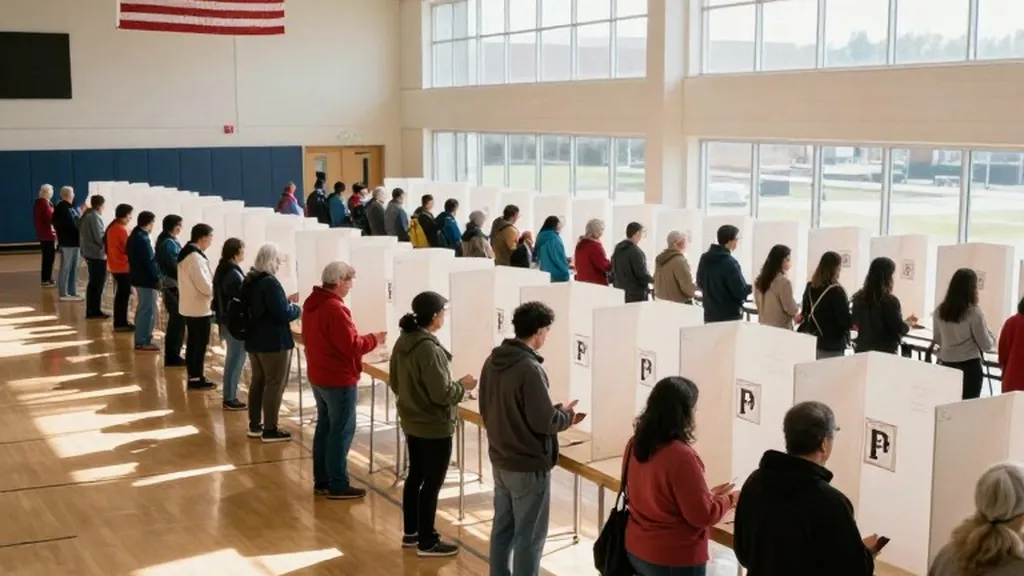
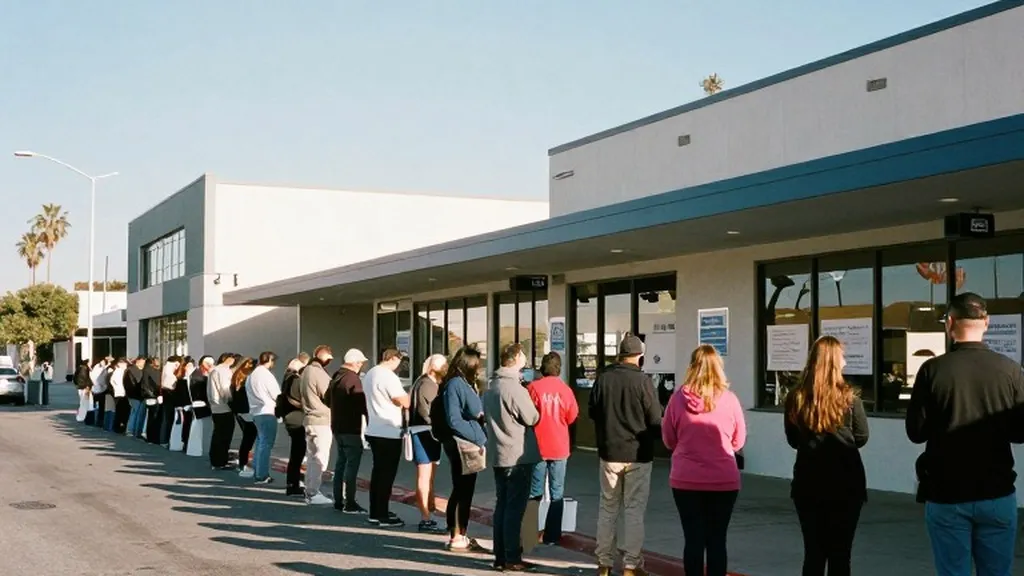
In California, where polls are open from 7 a.m. To 8 p.m., the election is largely decided by mail ballots. The state has an open governor's race with no incumbent on the ballot. California is one of six states using new congressional maps after mid-decade redistricting, which may impact the outcome of House races. The new maps in California, along with those in Florida, Missouri, North Carolina, Tennessee, and Texas, could shift the balance of power in the lower chamber. The state's large mail vote count adds a layer of complexity to the final tally, as officials work to ensure all ballots are processed on time.
Republican leadership is bracing for the possibility of losing the House, with the party needing to limit losses to no more than two seats to maintain its majority. Democrats need a net gain of three districts to take control. The Associated Press notes that one or two seats could tip either chamber, making the election highly competitive. In the Senate, Republicans can lose only two seats to keep their majority, while Democrats need a net gain of four. The outcome of these races will determine who controls Congress for the final two years of Trump's term.
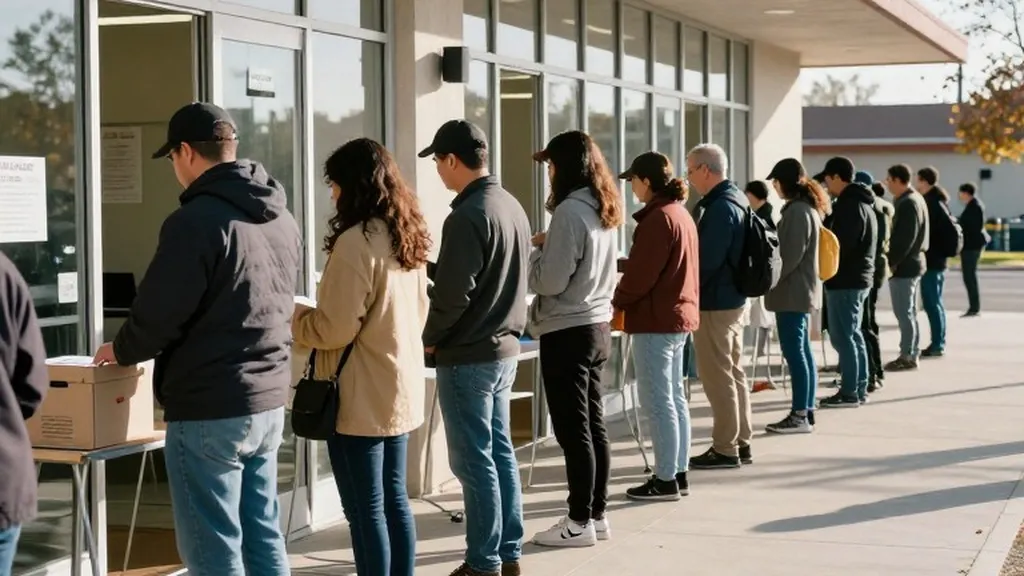
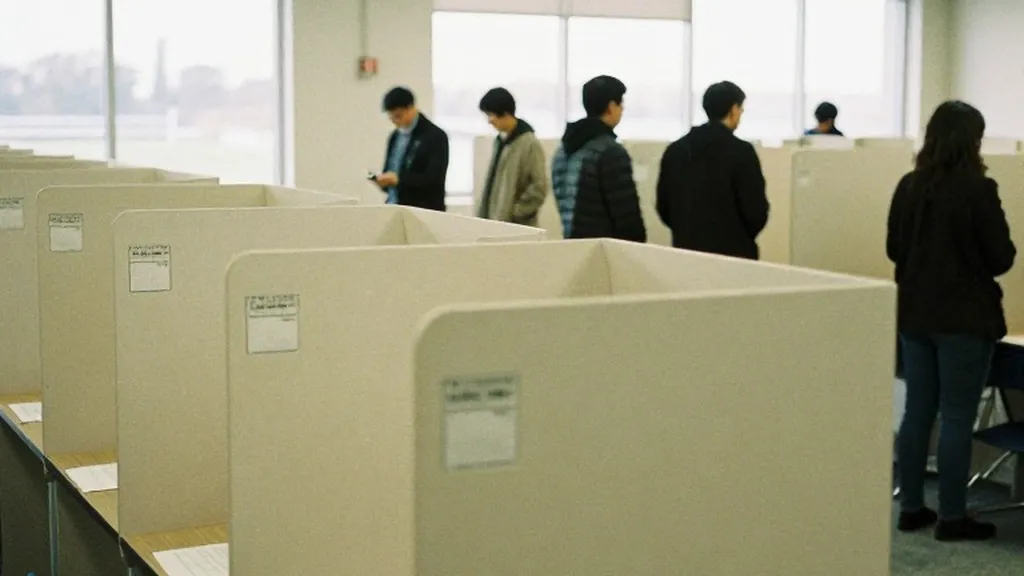
Voters are arriving at polling places with a mix of emotions. Mark Barker of Palm Beach Gardens, Florida, said he has been following Trump the whole time and believes he is doing an awesome job. In contrast, James Moore, a librarian in Raleigh, North Carolina, cited higher taxes and healthcare costs as his primary concerns. These personal anecdotes reflect the broader national sentiment, where economic strain is a dominant issue. More than 57 million people had already voted as of Monday, surpassing early vote totals from four years ago in many closely watched states.
The Justice Department has threatened to prosecute local election officials, a move that Democrats fear could lead to interference and intimidation. This legal pressure adds tension to the election day operations. The U.S. Postal Service has added hours, staff, and special lines to ensure mail ballots are counted on time, a critical step given the volume of early and mail-in voting. The administrative efforts highlight the scale of the operation and the importance of accurate counting in a contested environment.
As polls open across the country, the focus remains on turnout and the ability of each party to mobilize its base. RNC Chairman Joe Gruters stated that everything depends on turnout, asserting that if Republicans turn out their voters, they will win. DCCC Chair Suzan DelBene countered that the American people are angry and want change. The coming hours will reveal whether the president's active campaigning can overcome the low approval ratings and whether the new congressional maps will help or hinder the Republican majority. The results will set the stage for the final two years of the second Trump term.