Ricketts Keeps Nebraska Senate Seat After Osborn Campaign
The incumbent Republican defeated independent challenger Dan Osborn in a race marred by high diesel costs and debates over party loyalty.
By Mateo Thompson ·
Nebraska voters returned Pete Ricketts to the U.S. Senate, ending a competitive general election that pitted the incumbent Republican against independent Dan Osborn. NBC News projected the win for Ricketts, who now secures a full six year term in the upper chamber.
The outcome reflects the shifting dynamics in the state, where Ricketts previously won a special election in 2024 by a wide margin. That earlier victory came shortly after Donald Trump carried the state by 20 points. This year, however, the race tightened as economic pressures weighed on local voters.
Osborn, a pipe fitter and Navy veteran, entered the contest without a Democratic opponent after the party nominee dropped out in July. He ran as a standalone independent, though the Nebraska Democratic Party provided financial backing. This arrangement became a focal point for Ricketts, who accused Osborn of being a secret Democrat.
During a September debate, Ricketts argued that Osborn represented an extreme left wing that could damage the state’s interests. He warned that if Osborn controlled the Senate and handed it over to Democrats, it would be a disaster for Nebraska. The attacks underscored the difficulty of running as an independent in a traditionally Republican district.
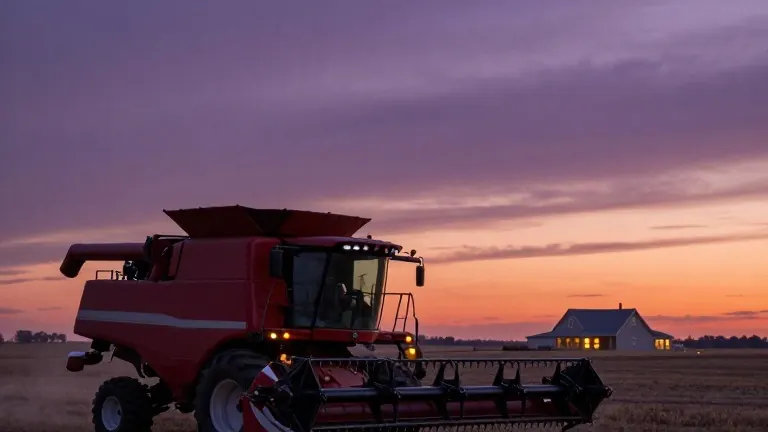
Economic grievances played a central role in the campaign. High diesel prices driven by the war with Iran and federal tariffs hurt farmers in the heartland. Trump’s approval ratings had also declined, adding to voter frustration over rising costs.
In early October, Trump visited Nebraska to sign an executive order expanding access to off-road diesel, often called red dye diesel. He told a rally crowd that prices would plummet once the war ended. He described the new measure as a step to bring down costs for farm vehicles and construction equipment.
Osborn supported the presidential move but characterized it as a Band-Aid solution. He focused his campaign on the daily financial struggles of Nebraskans, citing high healthcare and grocery bills. He avoided direct attacks on Trump, recognizing the former president’s strong base of support in the state.
Osborn also targeted Ricketts’ wealth, accusing the incumbent of being beholden to corporate donors. In a television advertisement, he depicted Ricketts as comfortable in elite circles, using the nickname Pocket Pete to emphasize the distance between the candidate and ordinary workers.
Ricketts countered by highlighting his track record in statewide office. He had previously served as governor and won multiple elections. His campaign ads reminded voters that he had guided the state through natural disasters, agricultural downturns, and a global pandemic.
The final result leaves Ricketts with a renewed mandate, while Osborn ends his bid for Congress after a close loss to a Republican two years ago. The seat remains in Republican hands, maintaining the party’s control over Nebraska’s representation in the federal legislature.