San Diego County Processes 42,000 Mail-In Ballots Per Hour in Tight Security
With 95% of primary ballots cast by mail, the Registrar of Voters relies on automated sorting, signature verification, and isolated counting systems to ensure accuracy.
By Ivan Mori ·
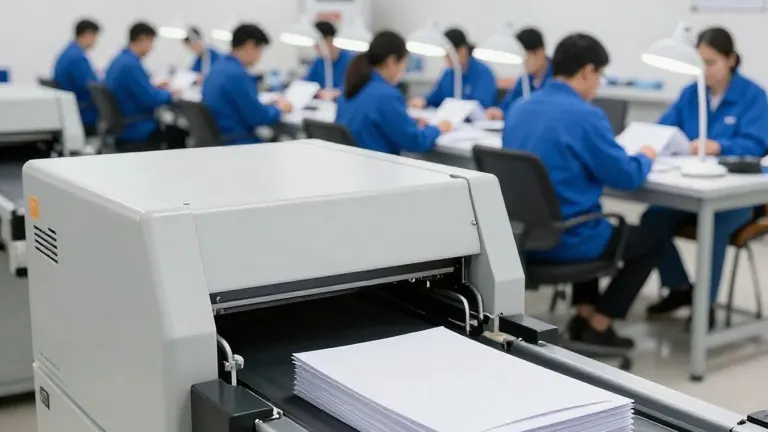
Nearly 95% of ballots counted in the recent San Diego County primary were cast by mail. As reliance on postal voting increases, the county registrar faces the task of processing thousands of envelopes while preventing errors, duplicates, and tampering. The process moves from high-speed mechanical sorting to manual signature checks and finally to isolated computer counting.
The workflow begins when ballots arrive from post offices or county drop boxes. They pass through a high-speed sorting machine capable of handling 42,000 envelopes per hour. The equipment scans each envelope and captures an image of the voter’s signature. During a recent inspection, the machine flagged an unusually high number of envelopes due to a faulty belt. Technicians repaired the issue and reran the affected mail, returning them to the correct trays.
Following the initial scan, election workers manually compare each signature against the voter’s file. Sean Brom, the San Diego County Registrar of Voters, explained that any discrepancies trigger a secondary review by other team members. If a mismatch persists, the county mails a notification letter to the voter. The voter then has 22 days after Election Day to provide a corrected signature. Until the issue is resolved, the envelope remains sealed.
Brom noted that workers sometimes encounter ballots signed by family members on behalf of a relative. A mismatch does not automatically disqualify a ballot; it merely pauses the count until the voter acts. The county tracks the movement of every ballot from room to room to maintain a clear chain of custody. Each envelope carries a unique ID, which flags the original ballot if a voter requests a replacement by mail.
Once signatures are verified, workers open the envelopes under specific protocols to protect voter anonymity. They position the envelopes so the voter’s name is not visible while handling the ballot. This separation ensures that workers know who voted but not how they voted. The county then runs the ballots through a second machine to confirm that the number of ballots leaving the room matches the number that entered.
Damaged ballots require a specialized handling procedure. If a ballot is torn, two employees work as a team to copy the voter’s selections onto a new sheet. They then switch roles to verify each other’s work. This two-person rule prevents any single individual from being alone with a ballot during recreation. For the recent primary, the county rejected 1.37% of mail-in ballots. The most common reason for rejection, aside from late mailing, was a signature mismatch with the voter’s driver’s license.
The final step involves converting marked bubbles into vote totals. The county uses voting equipment that is not connected to the internet. Access to the counting room is strictly controlled. Brom stated that even he required sign-in and permission to enter the room during his own inspection. The county tests a sample digital count against known totals before each election to verify accuracy. The system is designed to catch mechanical errors and prevent unauthorized access.
The registrar’s office has been in operation for over two decades, and Brom noted a rising public interest in observing the process. The county allows the public to visit the Registrar of Voters to watch ballots being handled. An online system also lets voters track the status of their mail-in ballots in real time. The combination of physical safeguards and digital tracking forms the core of the county’s verification strategy.