2026 Midterms Set to Be Most Expensive in History as Spending Surges
The 2026 election cycle is on pace to break historical spending records, with Republican committees outspending Democrats while Democrats maintain a candidate-level fundraising edge.
By Lauren Bello ·
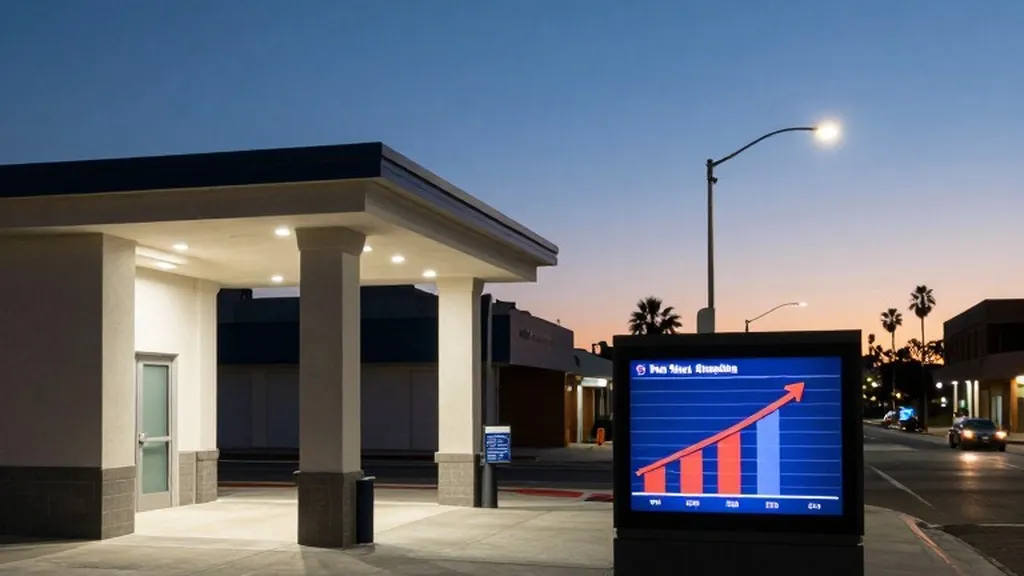
The 2026 midterm elections are on track to become the most expensive in American history, according to analysis. The sheer scale of financial resources deployed by both parties reflects the high stakes of deciding control of Congress for the final two years of President Donald Trump's second term. With all 435 House seats and 35 Senate seats up for grabs, the competition for voter attention has intensified, driving ad spending to unprecedented levels. The financial war is not just about who spends the most, but where that money is directed and how effectively it is used to influence voters in a deeply divided political landscape.
Republican committees have outraised and outspent their Democratic counterparts in the aggregate, a trend fueled significantly by support from Trump-affiliated groups and high-profile donors like Elon Musk. This committee-level advantage has allowed Republicans to maintain a dominant presence in media markets across the country. However, the picture is more complex at the candidate level, where Democrats have managed to outraise their opponents in many competitive districts and states. This divergence highlights a strategic split in how each party is allocating resources, with Republicans focusing on broad messaging and Democrats concentrating on specific candidate viability.
An Associated Press analysis of AdImpact data reveals a striking geographic pattern in how Republican money is being deployed. A staggering 88.1 percent of Republican general election television ad spending has gone to states and districts that Donald Trump won in the 2024 presidential election. This concentration of resources suggests a defensive strategy aimed at protecting the Republican base in areas where they believe they have the strongest footing. The data shows that more than $850 million in Republican TV ad spending has been directed to districts where Trump won by a margin of 10 points or more, indicating a focus on reinforcing loyalty in solidly Republican areas rather than solely targeting swing regions.
In California, a state that largely votes by mail and has no Senate race this year, the focus is on the open governor's race and the new congressional maps resulting from mid-decade redistricting. Polls in the state are open from 7 a.m. To 8 p.m. Local time, with voters casting ballots in a state that has become a key battleground for the House. The new district lines in California, along with changes in Florida, Missouri, North Carolina, Tennessee, and Texas, are expected to play a significant role in determining the outcome of the House race. These redistricting efforts were part of a broader Republican strategy to beat the historical pattern of the president's party losing seats in midterm elections, though the effectiveness of these new maps remains to be seen as voters head to the polls.
This election is a referendum on Trump's second term, with voters expressing frustration over high prices and an unpopular war with Iran. Only 35 percent of U.S. Adults approve of Trump's job performance, while 25 percent approve of his handling of the economy. About seven in 10 adults say the country is heading in the wrong direction, with most blaming the president for rising costs. This sentiment has fueled the Democratic narrative, with DCCC Chair Rep. Suzan DelBene stating, "The American people are angry. They want change." The financial investment in advertising is a direct response to these economic concerns, as both parties attempt to shape the voter's perception of the country's trajectory.
Elon Musk has played a significant role in the Republican financial advantage, with his support contributing to the outspending by Republican committees. His involvement has added a layer of celebrity influence to the election, potentially drawing more attention to the race and increasing the volume of digital and television advertising. This influx of capital has allowed Republican committees to maintain a constant presence in media markets, even in states where the races are considered less competitive. The presence of such high-profile donors underscores the high stakes of the election and the belief among party leaders that financial dominance is key to securing a legislative majority.
Despite the committee-level spending advantage, Democrats have found success in raising funds at the candidate level. This approach allows individual candidates to build strong local bases and connect directly with voters in their districts. The Associated Press notes that Democrats were "cautiously optimistic" heading into Election Day, suggesting that they believe their candidate-level fundraising efforts will translate into electoral gains. This strategy contrasts with the broader, committee-driven spending of the Republicans, creating a dynamic where both parties are using different financial tools to achieve their goals. The outcome of this financial battle will be evident in the final tallies as polls close across the country.
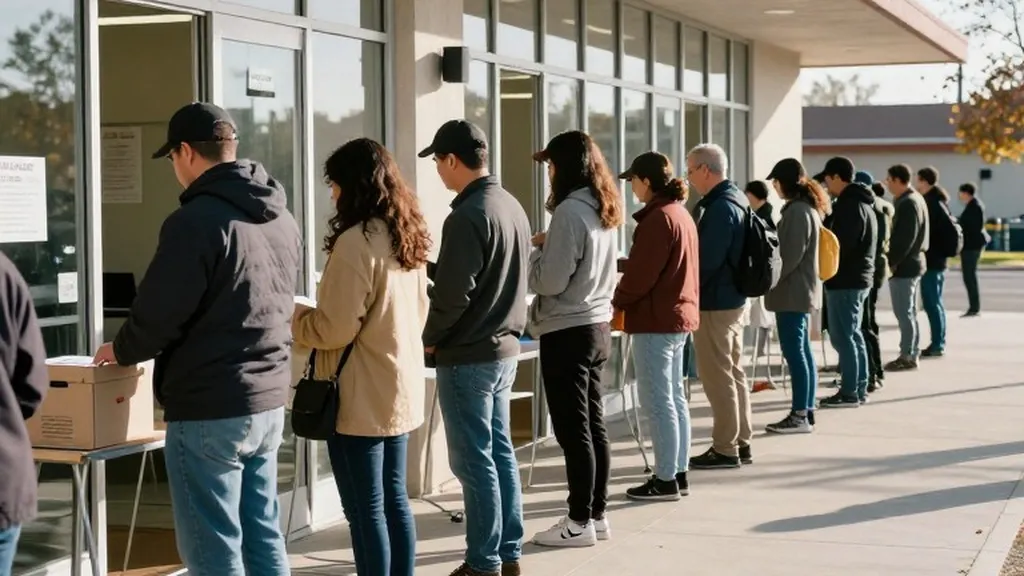
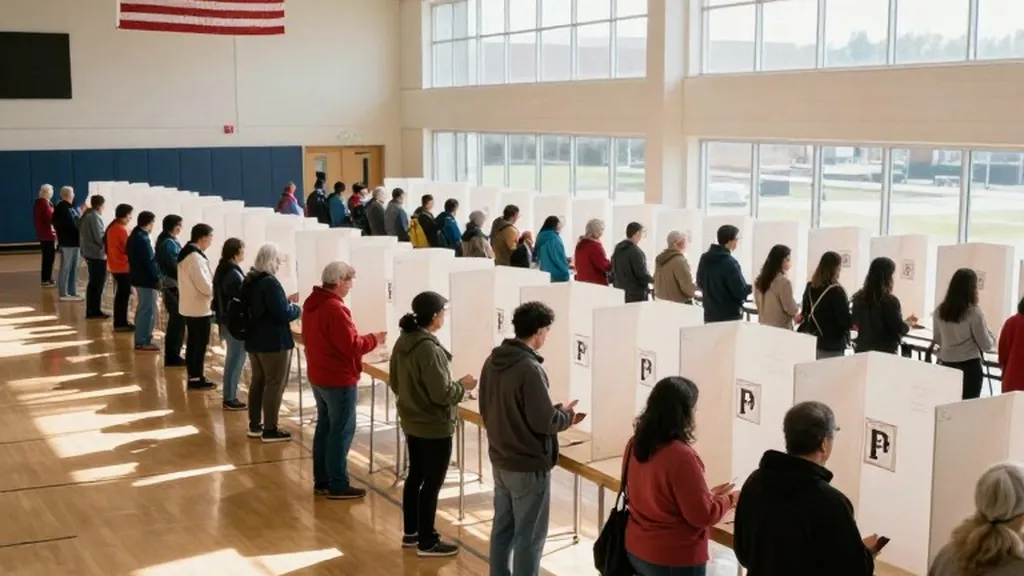
The Associated Press also highlights that more than 57 million people had already voted as of Monday, surpassing the early vote totals of four years ago in many closely watched states. This high level of early participation indicates a strong interest in the election and suggests that the final margin of victory in many races will be determined by who can maintain momentum through Election Day. The financial resources deployed by both parties are aimed at sustaining this momentum, with heavy advertising intended to turn out the base and persuade undecided voters. The competition for the remaining voters is fierce, with both parties investing heavily in get-out-the-vote efforts and late-breaking advertisements.