Tesla's FSD Count: 1.74 Million Subscribers or One-Time Buyers?
Tesla reports a surge in self-driving subscriptions, but the number includes owners who paid full price years ago under a metric designed for executive compensation.
By Ivan Mori ·
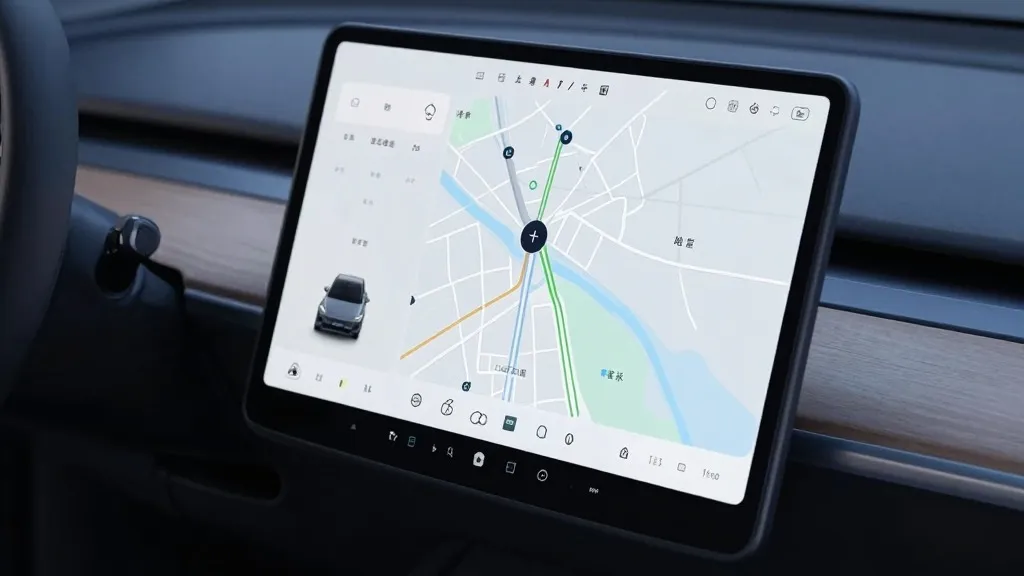
California drivers looking at Tesla’s latest financial disclosures may notice a significant shift in how the company reports its self-driving technology. The automaker now claims 1.74 million active Full Self-Driving subscriptions, a figure that represents a 67 percent jump from the same period last year. For ordinary consumers, this headline number suggests rapid adoption of the software. However, a closer look at the methodology reveals that the count includes owners who purchased the feature outright, rather than paying a monthly fee. This distinction matters for anyone tracking the company’s growth or the financial incentives tied to its leadership.
The primary claim rests on a specific definition found in a footnote to Tesla’s Q3 2026 shareholder letter. The company states that its metric aligns with the 2025 CEO Performance Award. Under this rule, the total includes both upfront payments and monthly subscriptions. Consequently, an owner who paid up to 15,000 dollars for the software years ago is counted as an active subscriber today. This approach directly impacts the valuation of the executive pay package, where reaching 10 million active subscriptions is a key milestone for the CEO to earn his compensation.
A critical nuance for buyers is that hundreds of thousands of these counted users were sold the promise of unsupervised self-driving. Despite this, the technology has not yet been delivered at that level. Tesla stopped selling the feature as a one-time purchase on February 14, 2026. New customers in the US can now only access it via a 99 dollar monthly subscription. Yet, all previous buyers who paid upfront remain in the active count as long as their vehicle is operational. The only exclusion from the total is free trial periods.
This accounting method was first flagged in April when Tesla reported 1.28 million users. Six months later, the company still has not disclosed how many of the current 1.74 million are actually paying the monthly fee. The same logic applies to other metrics in the letter. The cumulative delivery figure of 10.2 million also includes unsupervised Robotaxis placed in commercial operation. This inclusion mirrors the pay package structure, which sets a milestone for 20 million vehicle deliveries. By aligning these numbers with the compensation plan, the company presents a unified picture of progress toward specific financial targets.
Tesla also reports that more than 75 percent of new North American deliveries in Q3 included FSD subscriptions. The company describes this as a nearly twenty percentage point sequential increase and believes the software is driving demand in available markets. However, the definition of this attach rate remains unclear. The letter does not specify if it counts subscriptions started with introductory offers or how many buyers remain after a few months. While the active subscription metric excludes free trials, there is no similar clarification provided for the attach rate figure.
The path to the 10 million milestone is long. The 2025 award consists of 12 tranches, each requiring a market cap milestone and an operational goal. These operational targets include 20 million vehicles delivered, 10 million active FSD subscriptions, 1 million Optimus robots, and 1 million robotaxis. As of June 30, Tesla considered only the 20 million delivery milestone probable. In Q3, the company added 260,000 net FSD subscriptions, its best quarter to date. At that pace, reaching 10 million would take about eight years. Based on the last 12 months, it would take closer to 12 years. The award period runs until 2035.
Counting upfront buyers is not inherently incorrect, as those cars do have the software installed. The debate centers on labeling them as subscribers and presenting the total as proof of momentum. The definition was written to support the pay package, not necessarily to help investors understand the current revenue stream. A commenter noted that the metrics may become less relevant if a change of control occurs, such as a merger with SpaceX, which would vest all compensation. They also highlighted the tension between counting users who were promised unsupervised driving but are currently using a supervised service.
This metric is now the headline software statistic for the company. The board wrote the definition, and the CEO’s compensation depends on it. Yet, the company has not shared how many people pay the 99 dollar monthly fee. Tesla certainly knows this number. The attach rate is the more interesting claim if it holds up. A 75 percent take rate on a monthly product would represent a strong business. The key question for investors and consumers is retention. How many North American buyers who started a subscription in Q2 are still paying today? That data will determine if the growth is sustainable or largely driven by past upfront purchases.
For now, the 1.74 million figure stands as the official count. It reflects a mix of loyal monthly payers and long-time owners who bought the feature when it was available for a single fee. As Tesla pushes toward its 2035 goals, the clarity of these numbers will be vital. Until the company breaks down the monthly paying users from the one-time buyers, the 1.74 million figure remains a blended metric. It tells us the software is installed on a large fleet, but it does not fully reveal the recurring revenue profile of the self-driving feature.
More Business · Watch Your Wallet · Report a business · Got a Story?