Wholesale Gas Hits €97 as European Storage Falls to 75%
Wholesale gas prices reached a four-year peak on Monday as winter demand rose and Middle East supply concerns intensified, while British households face a predicted 16% bill increase.
By Lauren Bello ·
Wholesale gas prices in Europe climbed to €97 per megawatt-hour on Monday, a level not seen since 2022. Traders priced in stronger heating demand as temperatures dropped across the continent, pushing the market to its highest point in four years.
The UK’s month-ahead contract followed suit, rising 4% to 240p per therm. This marks the highest level for the domestic market since December 2022, when prices spiked following Russia’s full-scale invasion of Ukraine. The cost of imported fuel is now a central concern for European consumers and businesses alike.
Supply anxieties in the Middle East fueled the price jump. Reports indicated that the US and Israel had drafted plans for renewed strikes against Iran, scheduled to occur after the US midterm elections. These geopolitical risks sent oil prices as high as $117 per barrel on Friday. Although the Brent crude benchmark retreated by roughly 2% on Monday, it remained above $114 per barrel.
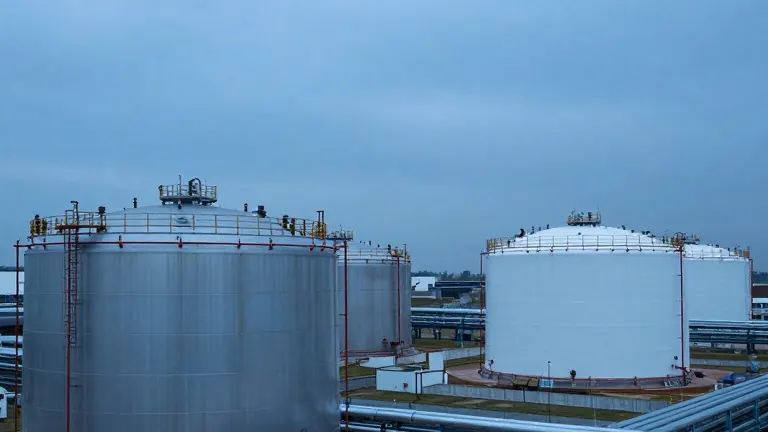
Europe faces a physical shortage of stored gas as it enters winter. Storage levels have dropped to approximately 75% capacity, the lowest level in more than a decade. This shortfall stems from a slowdown in exports from Qatar and higher summer consumption for refrigeration and cooling. Seasonal averages typically sit closer to 80% at this time of year.
UK energy regulators noted that Britain is likely to pay some of the highest energy costs in Europe this winter. The nation relies heavily on imports due to small gas storage reserves, a result of decades of dependence on North Sea production. According to the Office for National Statistics, the UK paid a record £4bn for power imports in the year ending in August, with half of that sum going to electricity from France.
Grid bottlenecks have also driven costs. The UK has made near-record payments to run gas plants while compensating wind and solar farms to turn off their output. For households, the impact is direct. Analysts predict that dual fuel bills will rise 16% in January, bringing the typical annual cost to approximately £2,000.
European stock markets responded to the weaker oil price with a slight gain on Monday. The Stoxx Europe 600 index, which tracks major continental companies, rose by 0.3% in early trading. The UK’s FTSE 100 blue-chip index increased by 0.4%.
More Business · Watch Your Wallet · Report a business · Got a Story?