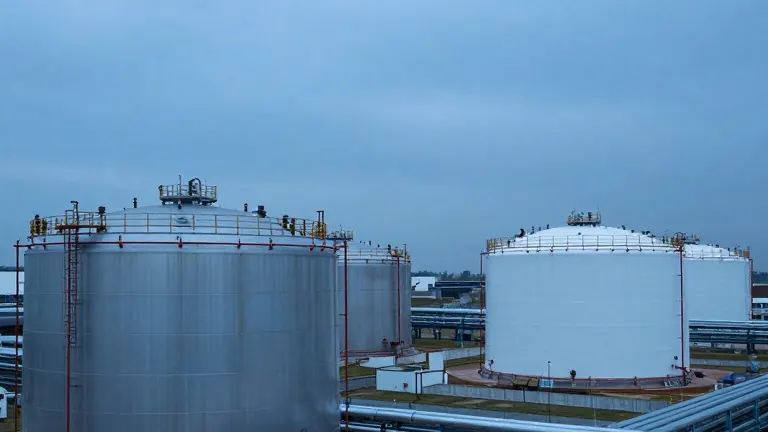
African fuel prices double as Hormuz war squeezes food supply
Uganda's trade minister reports a 100 percent spike in energy costs, while Zimbabwe warns that fertilizer hikes will cut next year's harvests.
By Mateo Thompson ·
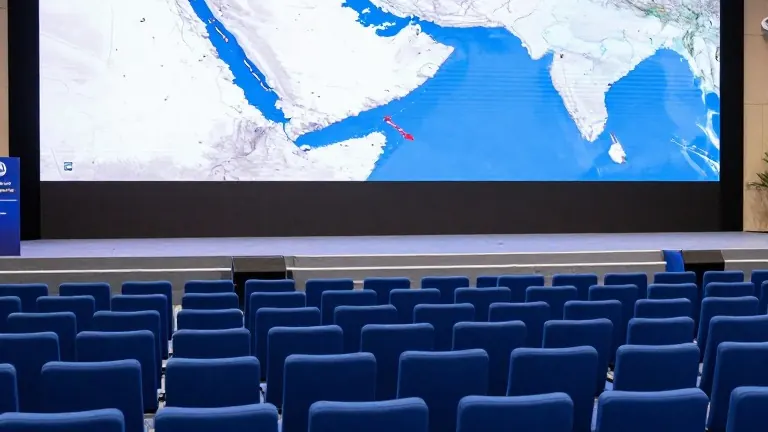
Uganda's trade minister, Sanjay Tanna, announced on Monday that fuel prices in his country have more than doubled due to the conflict between the United States, Israel, and Iran. The disruption in the Strait of Hormuz, a waterway that previously carried one-fifth of global oil and liquefied natural gas trade, has sent shockwaves through African economies. Tanna made these remarks at the World Investment Forum in Doha, Qatar, which concluded on October 26.
Luz Maria de la Mora, the director of the Division on International Trade and Commodities at the UN Trade and Development, warned that the crisis is threatening regional food security. She stated that fertiliser prices have risen dramatically, prompting many nations to cut back on usage. De la Mora explained that these reductions will directly affect crop yields in the coming year, leading to higher food prices and lower availability.
The economic pressure varies by nation. In Zimbabwe, where more than 70 percent of the population depends on agriculture, rising fuel and fertiliser costs are a critical concern, according to Monica Mutsvangwa, the minister of women affairs, community, small and medium enterprise development. Uganda, also an agrarian economy, has seen some cushioning from domestic food production, but its currency has still lost 10 percent of its value against the US dollar since mid-2026.
De la Mora noted that the supply chain disruptions caused by rising oil prices are lasting longer than anticipated. She emphasized that investors need confidence to commit capital to developing regions. She argued that transparent institutions, the rule of law, and reliable infrastructure are necessary to ensure that investments yield returns and materialize for developing economies.
Jean-Jacques Bouya, Deputy Prime Minister for Coordination, Development Infrastructure and Land Planning in the Republic of Congo, said his country is aligning its Vision 2063 plan with African Union goals. He stressed the need for connectivity through electricity, digital infrastructure, and physical links. Bouya also advocated for local processing of natural resources to retain more value within the country.
Mutsvangwa highlighted Zimbabwe's position as a neutral partner in the ongoing trade tensions between the US and China. She pointed to the country's deposits of more than 60 critical minerals, including lithium and graphite, as key assets for attracting foreign capital. She stated that Zimbabwe wants investors who follow local rules and regulations to help the country develop.
Tanna acknowledged that the international trading system is not equal but stated that Uganda is in a good position due to its food self-sufficiency. The forum in Doha brought together heads of state, policymakers, CEOs, and investors to discuss these global investment challenges.
More Business · Watch Your Wallet · Report a business · Got a Story?