195,000 Orders: Meta Blocks Indian Cartoonist Again
Government agencies issued nearly 200,000 content restriction orders to tech platforms in five months, according to a right-to-information report.
By Lauren Bello ·
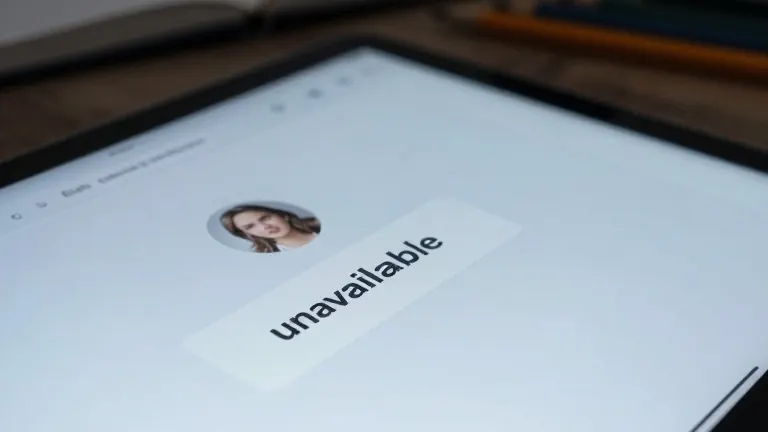
A second block in three weeks left a prominent Indian cartoonist invisible on Instagram.
Satish Acharya, 55, discovered on Tuesday that his account was once again restricted within India. Users searching for his profile or clicking a link saw a message stating the account was unavailable under the country's Information Technology Rules. This was the second time in under a month that his digital presence was cut off. The initial restriction occurred between September 28 and October 6, after which his account briefly became accessible before the new block appeared earlier this week.
The restrictions align with a surge in government directives to social media companies. Between March and July, Indian government agencies sent nearly 195,000 blocking and content-restriction orders to platforms including Instagram, Facebook, and YouTube. These figures were obtained through a right-to-information request and published by the Indian Express. The data does not specify how many individual posts were ultimately removed, but it indicates the scale of regulatory activity directed at major tech firms.
Acharya is not the only cartoonist facing these measures. In early October, another artist known as Manjul saw a post restricted. That post criticized the Indian election commission regarding a controversial revision of voter rolls that removed 130 million names. Unlike Acharya, Manjul's profile remained accessible to users. Both artists noted that they received little explanation from the platform for why specific content or accounts were targeted.
Meta, the parent company of Instagram, addressed the situation in a statement to the BBC. The company said it may temporarily restrict accounts to comply with India's IT Rules. However, Meta did not explain the specific reasons for restricting Acharya's account or Manjul's post. Technology policy expert Prateek Waghre noted that Meta appears more willing to comply with these orders than other platforms like X, though he acknowledged that limited public data makes precise comparisons difficult.
The IT Rules allow authorities and courts to order the removal or restriction of online content. The government states these measures help tackle unlawful material. Critics argue the rules stifle political satire, which plays a visible role in dissent among younger Indians. Memes and online humor contributed to protests in July that led to the resignation of the education minister. Authorities have also reportedly asked Meta to ensure its recommendation systems do not steer users toward limited narratives or content that could cause public disorder.
For independent artists, reliance on platforms creates a new vulnerability. Rachita Taneja, creator of the Instagram comic Sanitary Panels, described social media as a double-edged sword. She noted that the companies are for-profit endeavors that answer to advertisers. Acharya said he wrote to Meta for an explanation but received no reply. He was preparing to go to court when his account was first unblocked in early October. He has since been blocked again for three days.
Political satire has a long history in India, facing challenges from the Emergency era of the 1970s to the 2012 arrest of cartoonist Aseem Trivedi on sedition charges. Today, India ranks 157th in Reporters Without Borders' World Press Freedom Index. Acharya, who previously targeted the Congress-led government, now directs his work at the BJP government. He said he never faced official restrictions under previous administrations, noting that only occasional trolling occurred. The BBC has sought comment from India's IT ministry on the recent restrictions but has not received a response.