Colorado sees record bear activity as winter migration begins
State Patrol handled 3,811 wildlife collisions last year, and officials warn drivers to expect more animals on roads during early winter commutes.
By Lauren Bello ·
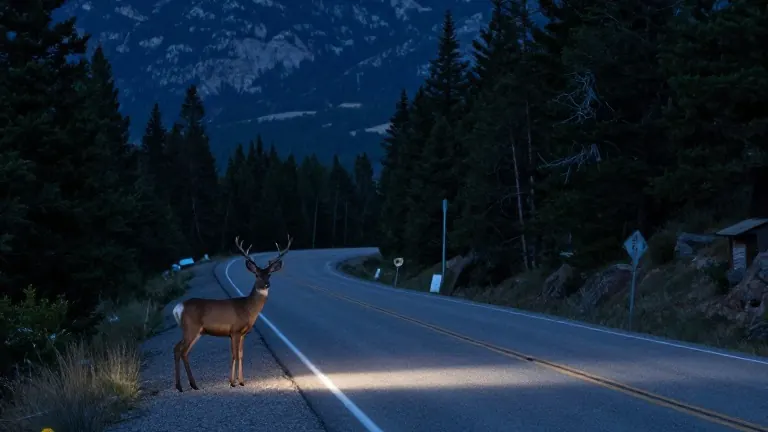
Colorado Parks and Wildlife announced this week that bear activity across the state has reached a record high. As daylight saving time ends on Sunday, the agency is urging drivers to exercise extra caution on roadways. The earlier sunsets mean animals are moving to lower elevations for winter during the same hours that traffic volume peaks.
Bridget O’Rourke, the statewide public information officer for Colorado Parks and Wildlife, explained that animals travel along roads primarily to find food, water, or shelter. She noted that they are moving away from colder temperatures at higher elevations. This migration pattern places wildlife directly in the path of morning and evening commuters.
October through December are typically the busiest months for wildlife-related crashes in Colorado. The Colorado State Patrol responded to 3,811 crashes involving wildlife in the previous year. With bear numbers at a record high this year, O’Rourke stated that Coloradans should expect to see more bears along roadways. The animals are focused on eating as much as possible before winter arrives.
The agency advises drivers to slow down in known wildlife crossing areas. Drivers should scan the road edges for movement and allow animals time to cross. O’Rourke reminded motorists that if they spot one animal, there are likely others nearby. She emphasized that safety should be the priority for drivers, other vehicles, and the animals themselves.
In the event of a collision, drivers are instructed to contact the Colorado State Patrol for assistance. The state maintains various wildlife overpasses and underpasses to help manage these encounters. O’Rourke described Colorado as a leader in incorporating wildlife migration patterns into new road construction.
Starting in January 2027, vehicle owners will have the option to pay an additional $5 fee on their registrations. This optional charge will fund wildlife crossing projects. Drivers who choose to pay this fee will contribute directly to infrastructure designed to reduce roadkill and improve animal safety.