Nintendo Rebuilds Ocarina of Time for Switch 2 With New Movement Rules
Producers explain how the 1998 classic was updated to fix camera issues and add free jumping while keeping the original story intact.
By Ivan Mori ·
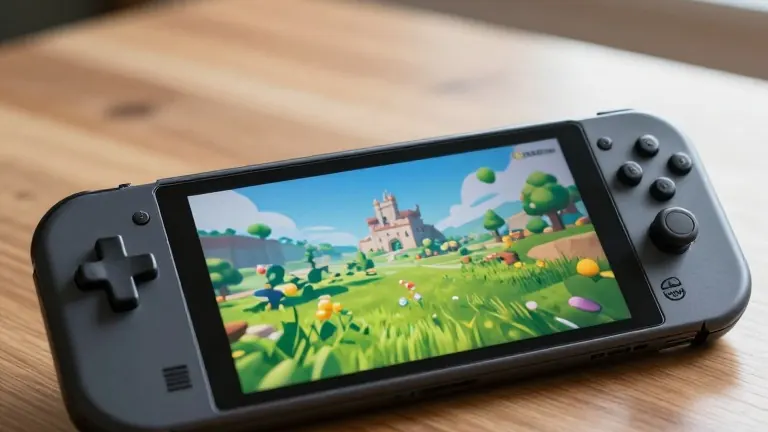
The Zelda franchise turns 40 this year. As part of that milestone, Nintendo is releasing a remake of The Legend of Zelda: Ocarina of Time for the Switch 2 console. The new version arrives with upgraded graphics and a shift in how players control the camera and movement.
Producers Eiji Aonuma and Hidemaro Fujibayashi discussed the development process ahead of the launch. Aonuma directed the original Nintendo 64 game and now oversees the franchise. Fujibayashi directed Breath of the Wild and its sequel. The team included both veterans and newer developers, some of whom had never played the 1998 release.
Fujibayashi said the younger staff focused on elegance rather than adding features for novelty. They worked to protect the original experience while deciding which changes were necessary. This approach balanced preservation with modern expectations.
The remake removes the movement restrictions of the original. Players can now jump freely and control the camera without limits. Aonuma noted that unrestricted jumping required adjusting the world design. He said the change gave players another way to reach objectives and created a link to Breath of the Wild and Tears of the Kingdom.
Visuals have been overhauled to show details that the original hardware could not display. Aonuma described a mix of realistic and fantastical elements. He noted that production scale has grown since the Nintendo 64 era. Background design that once took one person now requires more staff and time.
The game also changes how it guides players. Navi, the fairy companion, speaks less often than in the original. Aonuma said the original team added hints to help players finish the adventure, but finding the right balance was difficult. The new version uses in-game text to record progress so players can review their journey.
The Water Temple received specific updates to make navigation easier. In the original, players faced an awkward camera and had to open menus repeatedly to use items. The remake modernizes these elements. Fujibayashi admitted the original temple was difficult, while Aonuma welcomed feedback that the revised version was easier to complete.
More Tech · National news · Report a business · Got a Story?