Midterm Election: Fuel Costs Test Republican Hold
Gas prices have remained above $4 per gallon for four months, complicating Republican bids to retain congressional control.
By Lauren Bello ·
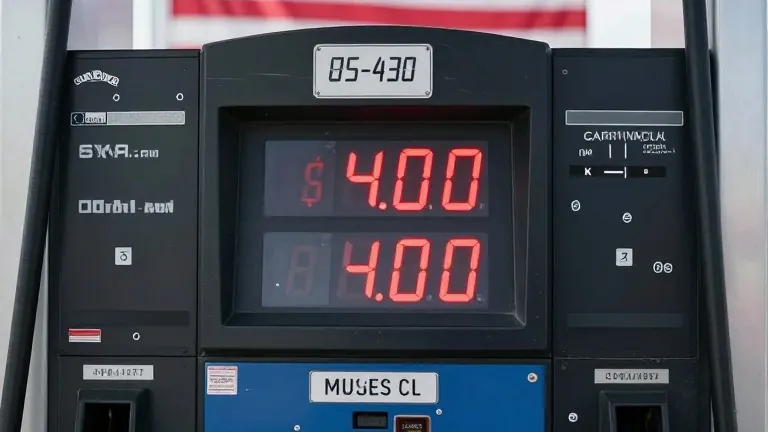
The national average price of gasoline has held above $4 per gallon since mid-June, a four-month streak that is reshaping the calculus for voters heading into the November 3 elections. For many Americans, the cost of filling a tank now rivals other major household expenses, forcing a reconsideration of political loyalties.
The Iran conflict, which President Donald Trump initially described as a brief engagement, has now entered its eighth month. Trump predicted the war would last only a matter of weeks when he launched it. Instead, the conflict has extended well beyond that timeline, with oil prices peaking in May, dipping in June, and surging again in September as the administration threatened further escalation.
Diesel prices remain near historic highs, creating specific pressures in agricultural and logistics sectors. This has turned traditionally conservative states like Iowa, Kansas, Ohio, and Texas into competitive battlegrounds. In Columbus, Ohio, Noor Dubow, a 44-year-old dispatcher for a trucking logistics firm, said he is leaning toward Democrats this year due to frustration with the war.
Dubow, who typically votes Republican on economic issues, expressed surprise at the lack of oversight from his own party. "Where are the Republicans in Congress?" he asked. "Why aren't the Republicans holding Trump accountable?" His perspective reflects a growing sentiment among independents and moderates who feel the economic disruption is outpacing the promised security benefits.
The conflict has expanded geographically, adding complexity to the domestic political picture. Iran-backed Houthi rebels have attacked Saudi Arabia's oil infrastructure and airports. A Saudi-led coalition has responded with strikes on Houthi-held territory in Yemen. Over the weekend, the State Department announced it was reducing staffing at four U.S. embassies in the Middle East after intelligence indicated Iran was targeting American personnel.
Republican strategists have warned internally that the war is damaging the party's efforts to keep control of Congress. Five strategists told the Associated Press in the summer that they saw warning signs the conflict could hurt candidates if it did not end quickly. After an interim ceasefire agreement in June unraveled within weeks, internal polls showed House districts Trump won easily in 2024 becoming competitive.
President Trump has attempted to downplay the economic impact, arguing that high gas prices are a temporary cost to remove a nuclear threat. At a rally in Michigan, he told supporters he had no regrets about starting the war. "I thought gas would be double or triple," he said. "And it's a small price to pay for taking a nuclear weapon away from maniacs."
Christopher Borick, director of the Lehigh University Opinion Observatory, noted that Trump's messaging is resonating with a shrinking portion of the electorate. "For voters disappointed with the direction of the conflict, there's little by way of the president's claims that would change their negative outlook," Borick said. An AP-NORC poll found that voters from both parties want the next Congress to focus on affordability and ending the war.
Voters are split on their reaction to the prolonged conflict. Clay Coey, a 59-year-old auctioneer in DeWitt, Michigan, said he cringes at the cost of fueling his 2010 Chrysler Sebring but believes the security threat justifies the expense. "However, there does come a point in time where you have to sit here and say, what is worth the cost?" he said.
Others feel betrayed by the shift away from an "America First" isolationist stance. Sean O'Brien, a 21-year-old student at Auburn University in Alabama, said the decision to go to war left him "very disillusioned." He said he now expects to vote Democratic in the upcoming election, a shift that highlights the strain the conflict is placing on the Republican base.