Markets Watch Debt, AI Costs, and Trade as Midterm Stakes Rise
Investors in California and beyond monitor how the House and Senate races will impact fiscal policy and global trade agreements.
By Lauren Bello ·
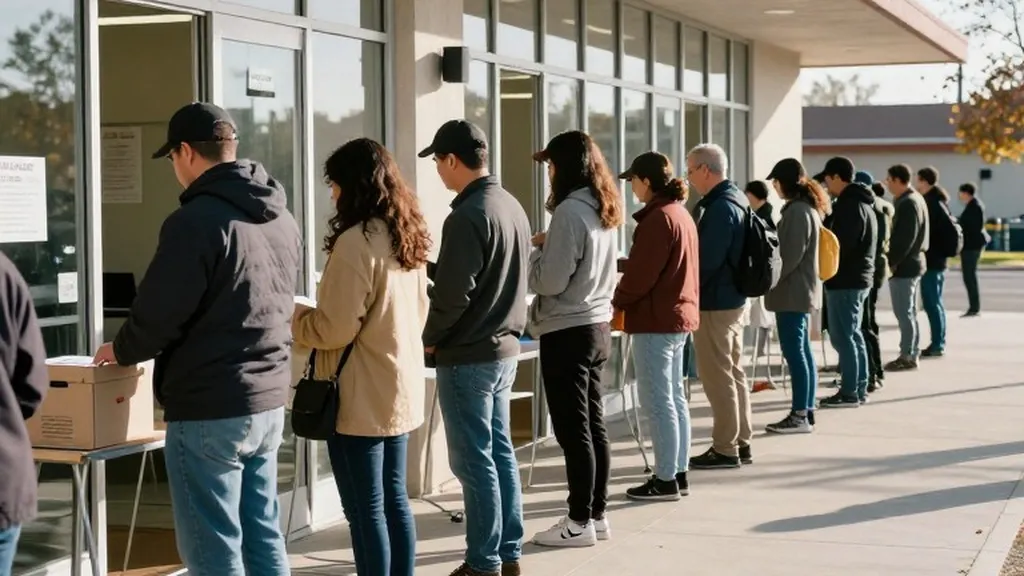
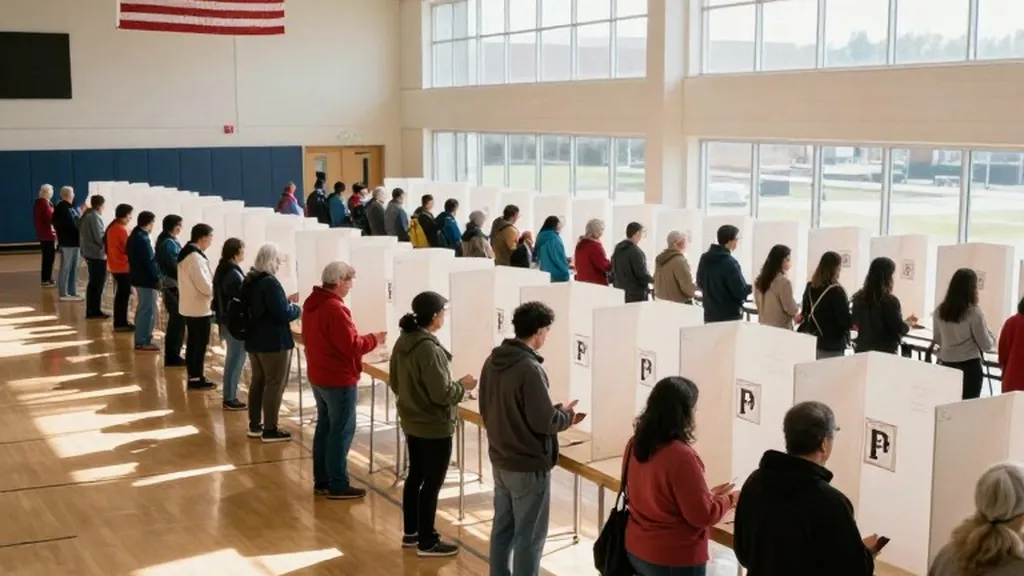
Wall Street is closely monitoring the midterms on Tuesday, November 3, 2026, with a specific focus on how the outcome will affect artificial intelligence spending, the debt ceiling, and trade relations. The results could add to existing investor concerns regarding these macroeconomic factors. This attention is particularly acute in California, where polls are open from 7 a.m. To 8 p.m. Local time, and voters are deciding on a competitive governor race in an open seat.
The election is widely viewed as a referendum on President Donald Trump's second term. Voters are struggling with high prices and are angry over an unpopular war with Iran. 35 percent of U.S. Adults approve of the president's job performance, while only 25 percent approve of his handling of the economy. Approximately seven in ten adults say the country is heading in the wrong direction, with most blaming the president for high prices.
Control of Congress is the central determinant for market sentiment. Republicans currently hold 218 seats in the House and 53 in the Senate. Democrats need a net gain of three House seats and four Senate seats to achieve majorities in both chambers. Republicans were bracing to lose the House while fighting to hold the Senate. One or two seats could tip either chamber, a margin that financial analysts consider significant for legislative stability.
Trade policy is a major component of the economic anxiety driving voter behavior. The AP cites economic strain and tariffs as key factors making states like Maine competitive. In Maine, Senator Susan Collins faces a challenge from a Democratic former state Senate President. The state's economy, heavily reliant on trade and fishing, has made the race a bellwether for how voters feel about current trade agreements and their impact on local businesses.
The debt ceiling remains a looming issue for investors. While no specific date for the next limit is in the source facts, the general concern about fiscal responsibility is highlighted by the AP's description of the election's economic context. If Democrats gain control of one or both chambers, they have indicated a focus on oversight and the cost of living. This could lead to more rigorous scrutiny of federal spending, including the substantial investments in AI infrastructure that Wall Street is currently evaluating.
California, the nation's largest state, is watching its governor race with particular interest. There is no Senate race in the state, but the governor's office is up for grabs. The AP notes that the state is using new congressional maps after mid-decade redistricting. These new districts may influence how voters prioritize economic issues over partisan loyalty. The state's large economy means that any shift in the governor's office has ripple effects on national business confidence.
Money plays a significant role in shaping the election's outcome and, by extension, market expectations. The 2026 elections are likely to be the most expensive in history. Republican committees outraised and outspent Democratic committees at the committee level, aided by Trump-affiliated groups and Elon Musk. However, at the candidate level, Democrats outraised their opponents. This financial dynamic suggests a close contest, which often leads to market volatility due to uncertainty about the final legislative balance.
Voter turnout is a critical variable. RNC Chairman Joe Gruters stated that everything depends on turnout and that if they turn out their voters, they win. Conversely, DCCC Chair Rep. Suzan DelBene said the American people are angry and want change. More than 57 million people had already voted as of Monday, surpassing the early vote of four years ago in many closely watched states. High turnout can amplify the concerns of specific economic demographics, such as those feeling the pinch of inflation.
International allies are also watching the results to gauge the future of trade and defense partnerships. The AP notes that the election's outcome will influence how the U.S. Approaches global relationships. For California, which has a significant export economy, the trade implications of a potential shift in Congress are profound. Investors are looking for signals on whether the U.S. Will maintain its current trade stances or pivot toward more cooperative frameworks.
The administration has continued to make claims about voting fraud, including that noncitizens vote in large numbers. His administration sued in Alaska and California. In California, a judge ordered the administration to stop demanding that election officials segregate ballots cast by people on its lists of suspected noncitizens. This legal battle adds another layer of uncertainty that markets are watching, as clear and fair elections are essential for long-term economic planning.
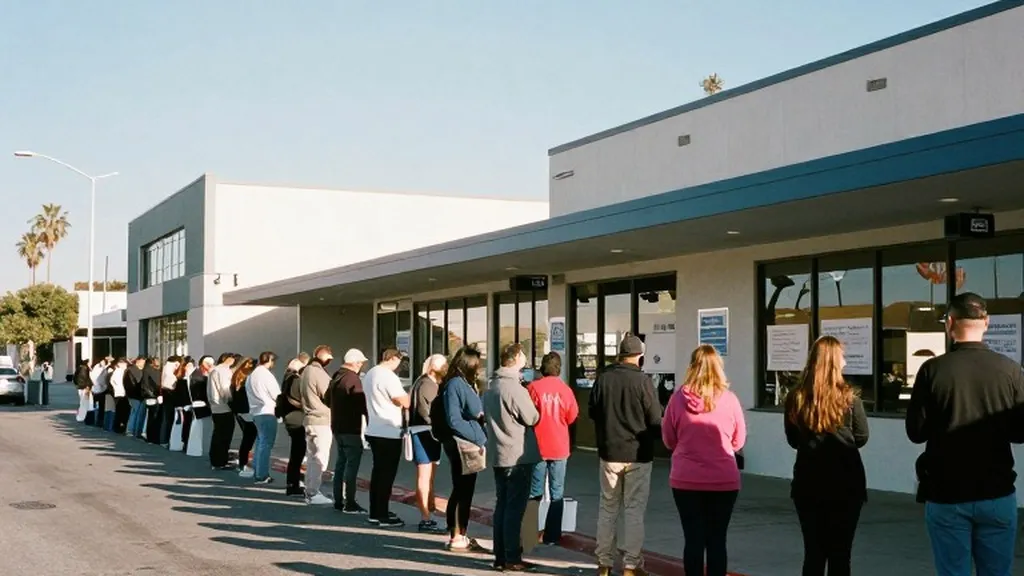
Polls in California will close at 8 p.m. Local time. Anyone in line when polls close is entitled to vote. The final tally will provide the data points that Wall Street needs to adjust its models for AI spending, debt management, and trade policy. Until the votes are counted, the market remains in a state of cautious anticipation, reflecting the broader national mood of economic concern and political uncertainty.